
Episodes

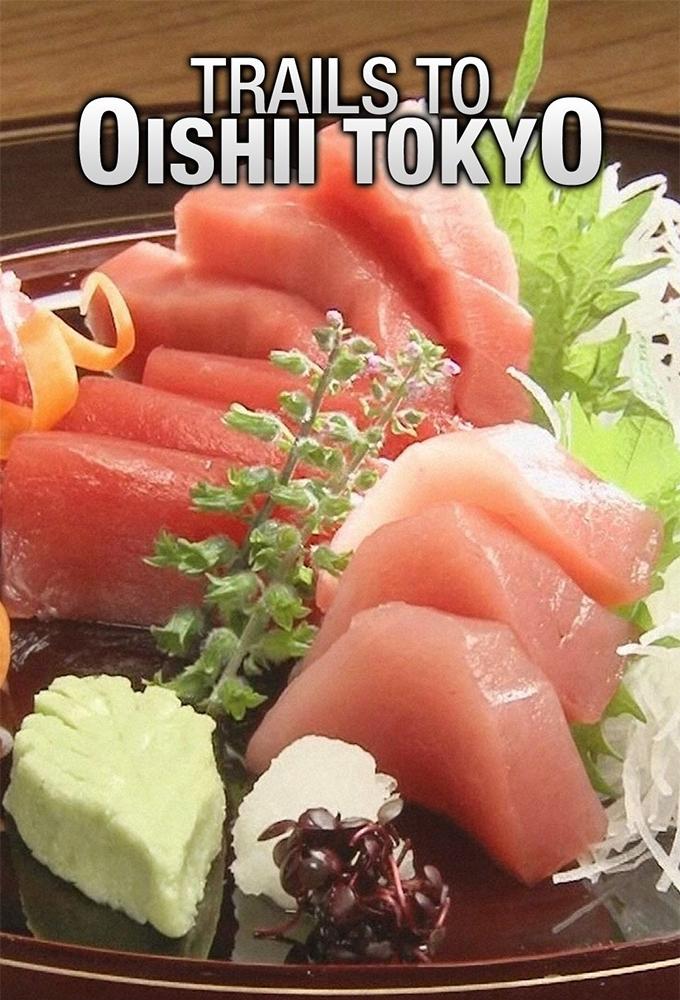
MAGURO
The focus this time is on the king of fish, maguro. Witness the highlight of an auction site at Japan's largest market, Toyosu Market, as one-third of wholesalers are maguro specialists. Our reporter visits Katsuura Fishing Port for a famous haul. Last but not least, don't miss this program's lineup of irresistible maguro dishes.

LEMONS
Lemons first came to Japan some 150 years ago, and have since been blended with Japanese citrus fruits to create brand-new types. We journey to a tiny island in the Seto Inland Sea where some 25% of Japanese lemons are grown and discover its unique, lemon-friendly climate and topography. We also see the surprising ways lemon farmers use lemons in Japanese cuisine from tempura to hot pot. Last but not least, we pucker up for some delicious lemon-based sweets.

ONIONS
Onions are eaten throughout the world, but in Japan, they're cooked with original techniques and used in a variety of Japanese dishes. This time, we bite into some of those dishes, including one available for just a short time in spring and another that features onion leaves. How have onions influenced Japanese cuisine? Join us to find out!

NATTO
This episode features natto, a fermented soybean product known for its powerful smell and sticky texture. Both economical and nutritious, natto is a staple Japanese breakfast food. Mito, north of Tokyo, is the natto capital of Japan. See how traditional, organic natto is made, and have a look at a variety of unique dishes that feature natto.

HIJIKI
Our focus today is hijiki, a variety of seaweed that has been consumed in Japan for over 1,000 years. Much like tea leaves, this nutritious, low-calorie food is often dried, and soaked in water before use. Hijiki grow quickly at the start of spring on rocky coastlines, and are only available for harvest for a few days. Dive in to find out more about what ancient Japanese considered to be a gift from the sea

MATCHA
Matcha is known worldwide as a popular ingredient in sweets. But originally, matcha is green tea leaves pulverized into micron-sized powder and mixed into hot water to make tea. We visit Uji, Kyoto Prefecture, a place where matcha is traditionally cultivated and produced, and learn how matcha is used in the tea ceremony, which is considered to encapsulate the spirit of Japanese culture and hospitality. Finally, we see how its unique bitterness is used to create a variety of novel dishes.

TOFU
This time, tofu. These popular white blocks, sometimes called the "meat of the fields," are high in protein and low in calories, making them a popular diet food. We visit a tofu maker in Tokyo, where tofu competition is fierce, to see how he carefully selects his soybeans, and even take a ride in his tofu-selling truck! We also discover unique tofu dishes, including some from a famed French chef who uses tofu in brand new ways. Join us and learn what makes tofu so great.

KAREI
The Karei is a type of flatfish beloved in Japan. Karei is great as sashimi, of course, but also simmered, grilled, deep-fried, and more. In short, it can be enjoyed in a variety of ways through the year. This time, we travel to Oita Prefecture in Kyushu, the southernmost of Japan's main islands, to discover a highly-valued type called Shiroshita-karei. There, we talk to fishermen and chefs to discover what is behind the great flavor of this fish.

AJI
Today we focus on Aji, or horse mackerel, one of Japan's most popular types of fish due to it being both delicious and economical. Seki-aji is a rare fish caught in the tides of the narrow straits of Kyushu known for its outstanding umami. Experienced fishermen must read the tide and rely on their intuition. Our reporter goes out to fish with one such expert, and also visits a high-class sushi restaurant to learn about Aji sushi preparation methods that vary according to fish size.

MANGO
Today, we focus on the king of fruit, mango. Though often thought of as a tropical fruit, they are also grown in Japan. Large, delicious, gorgeous Japanese mangos are traded at incredibly high prices, and are often given as gifts. Our reporter visits a mango grower in Kyushu to learn more about the secrets behind the production of this high-end fruit. Also enjoy unique seasonings made from mango.

VINEGAR
This time, we dip into Japanese vinegar. There are many kinds of vinegar worldwide, like balsamic, wine, and malt. But in Japan, most vinegar is made from rice. Rice vinegar is a subtly sour ingredient that matches all kinds of Japanese cuisine and is vital in the making of sushi. We visit a Kyoto Prefecture vinegar maker that does everything in-house, even growing their own rice. We also sample a variety of dishes that incorporate vinegar, like sushi and other traditional Japanese cuisine.

EGGPLANT
Japanese eggplants vary in size, shape, flavor and more depending on the climate in which they're grown. In summer, peak season, many varieties line the shops. We visit Niigata Prefecture, Japan's largest eggplant consumer, to discover its unique eggplant culture. That culture includes special eggplant cooking methods and even eggplants salt-pickled in clay! Plus, we learn about the deep connections between eggplants and ancient Japanese customs.

KANPYO
This episode focuses on Kanpyo -- a white, stringy, and noodle-like food unique to Japan that is actually peeled and dried parts of a vegetable. Kanpyo-maki is a popular snack easily found in convenience stores. It is also used in place of string to keep foods in form. 90% of Kanpyo production takes place in Tochigi Prefecture, where one can witness exciting production methods, and taste various Kanpyo recipes from Japanese cuisine, sweets to French cuisine.

CHEESE
Over the years, Japanese cheese has evolved to win international prizes. It has a rich aftertaste and umami characteristic of all Japanese cuisine. Visit leading natural cheese factories in Hokkaido Prefecture, Japan's largest dairy producer, to discover the secrets behind enhancing quality and a process that involves burying cheese in the ground. Also, meet a young cheesemaker who strives to make his small town famous for blue cheese.

RICE
Japanese rice is known for its strong stickiness and sweetness. In Japan, where cooked rice is eaten without seasonings, focus is placed on the deliciousness of rice itself. In spring, planting season, farmers pray to the deity of the harvest for a good crop. In fall, people around Japan celebrate the delicious new rice. Some even have festivals! In Japan, rice is more than just food: it's connected to religious beliefs and culture. This time, rice, which continues to be loved by the Japanese.

MIKAN
Today we focus on the most cultivated fruit in Japan, the mikan -- a palm-sized citrus fruit that is so soft and easy-to-eat, you could eat an entire batch. In the autumn and winter seasons, a plentiful amount of mikan can be found in nearly every Japanese home. Learn more by visiting an orchard in Wakayama Prefecture, where mikan trees are seen lined up on steep hills.

HOKKIGAI
Hokkigai, or surf clam, has a special place in the hearts of the Japanese thanks to its thick meat, unique umami and nutritional value. It's great not only as sashimi, but grilled, deep-fried and more. Over 80% of the Hokkigai caught in Japan comes from Hokkaido Prefecture. We visit Tomakomai, a port city in Hokkaido, and discover the various ways Hokkigai is prepared and eaten there, from sushi to curry! We also find out how fishermen use safe, cutting-edge fishing methods to protect the species.

SOBA
This time, we dive deep into soba, Japan's iconic buckwheat, which is used to make soba noodles. Soba long supported the lives of mountain dwellers who could not grow rice or wheat. It also has deep ties to Japanese culture, and is eaten to pray for long lives and more. Ever wondered why you slurp soba noodles in Japan? We discover the very special reason. We also visit a traditional production area and see the various ways soba is prepared there.

NOZAWANA
Our focus today is Nozawana, a leaf vegetable indigenous to Japan. This one-meter-long vegetable is often pickled, as it spoils quickly. Nozawana was first grown in Japan in a village 600 meters above sea level. It has long provided snowed-in villages with a precious source of nutrition during harsh winters. Find out more about the vegetable that went from supporting mountain villages to being loved all around Japan.

GINGER
Today we focus on ginger. Often grated, finely chopped or even pickled, ginger is an indispensable ingredient in Japanese cuisine. The pink "gari" eaten with sushi is actually pickled ginger. The spice has become known for its health benefits in recent years, as it improves blood circulation and can even be used as a disinfectant. Let's find out more about the uses of ginger in Japan.

KOMATSUNA
Komatsuna is a spinach-like leaf vegetable from Tokyo that's been grown in the ward of Edogawa, facing Tokyo Bay, for hundreds of years. Even today, Komatsuna is grown in residential areas in Tokyo. There are even vending machines selling freshly-harvested Komatsuna! This time, we dive deep into this special vegetable, sampling classic Japanese cuisine, sweets, noodles and other innovative dishes that feature its unique flavor.

BURI
Today we focus on yellowtail, known as Buri in Japanese. Favored in winter when it contains a higher fat content, the fish provides rich umami when grilled, simmered or eaten raw as sushi or sashimi. In western Japan, Buri has long been thought to bring good fortune and is an essential part of the New Year tradition. Visit a Toyama Bay port that is one of the most popular for Buri fishing, and explore Japan's unique Buri culture.

SHARK
Shark meat has been eaten in Japan since ages past. It's often used in old-school Japanese soul foods such as Oden. We visit Aomori Prefecture, where shark is still eaten regularly, to discover traditional methods for catching and consuming shark, including a collagen-rich dish good for the skin and another excellent for overall health. Join us as we dive into the world of sharks in Japan!

BREAD
This episode focuses on bread, or "pan" in Japanese. The sheer variety of baked goods in Japan is astounding. Rolls and pastries filled or covered with teriyaki chicken, vegetables, or even stir-fried noodles act as a hearty meal. Bread can also replace rice for sushi, or act as a canvas to your imagination. Discover new ways to enjoy one of the world's oldest man-made foods.

MARLIN
Our focus today is marlin. These large fish known for their long, sharp bills were once a source of inspiration for the great Ernest Hemingway. Marlin meat is high in fat content and has been the preferred ingredient for "edomae" sushi for centuries. Our reporter takes us marlin fishing and tastes meals commonly eaten by local fishermen. Try marlin "prosciutto" at an Italian restaurant! Dive in to discover the endless possibilities that marlin has to offer.

SHIRAUO
Our focus today is Shirauo, often called noodlefish in English. These beautiful fish have tiny, transparent bodies that grow up to only 10 centimeters long. They are both precious and pricey as the fish can only survive in brackish water conditions where freshwater meets seawater. Fishing for Shirauo symbolizes the coming of spring, their peak season. Visit a lake in the northern prefecture of Aomori to find out more about this mysterious fish.

STRAWBERRIES
Japanese strawberries are known for their large size and sweet flavor, and are mainly eaten fresh. We visit Tochigi Prefecture, Japan's largest production site, home to a farm popular with sightseers where you can eat strawberries to your heart's content! We also check out a unique strawberry research center where thousands of strawberries are carefully selected to create brand-new varieties. Plus, we discover some unique strawberry-themed Japanese sweets!

KAMABOKO
Kamaboko is a traditional type of fish cake made from pureed white fish that can be steamed, grilled or deep-fried. It's available in a variety of shapes, like red-and-white half circles and donut-like cylinders. One form, an alternative to crab meat called "surimi," is especially popular abroad. Packed with protein, it works well in practically any type of cooking. We visit the famous production area of Odawara and learn about the artistry that goes into its distinctive springy texture.

SAUCE
"Sauce." In Japan, this word refers to a rich, dark, bottled sauce sold in a number of varieties. Used on deep-fried foods like pork cutlets and Japanese croquettes, plus savory okonomiyaki pancakes, yakisoba noodles and more, this viscous sauce is an essential part of Japanese comfort cooking. But what is sauce made of? Even many Japanese people don't know! This time, we explore a sauce so essential, it's simply known as "sauce"!

HONEY
Honey—the world's oldest sweetener. Japan being home to both the Western honey bee and the native honey bee makes for numerous honey varieties. Concerned about the decline in global bee populations, urbanites take on rooftop beekeeping in Japan's capital. Also visit beekeeping sites responsible for precious honey varieties that are increasingly at risk. Fly around and discover infinite flavors born of differing environments and flower varieties.

PEAR
Japanese pears are large, round, juicy and have a great crunch. Chiba Prefecture, which neighbors Tokyo, is known as Japan's largest pear producer. Every autumn, its so-called "Pear Street" fills up with farmers hawking their wares. Those farmers have thought up clever ways to make large, sweet pears, like growing branches across horizontal trellises that match the farmer's height. That lets the pears get plenty of sunlight and makes harvesting easier. Join us as we bite into Japan's world of pears!

SATO-IMO
Sato-imo, eaten in Japan for some 3,000 years, is a type of taro, a root vegetable that grows in the tropics of Asia. Coming into season in autumn, Sato-imo have been used in sacred rites and other traditional rituals since ages past, and deeply rooted in Japanese culture. We learn how their unique, sticky texture and al dente mouthfeel make them essential for Japanese cuisine. Join us as we take a bite into healthy, low-calorie Sato-imo.

SESAME
Our focus this time is sesame. It's an indispensable part of Japanese cuisine, making the country a leading consumer. Whether used as-is, roasted, ground, or processed into oil, the Japanese have developed numerous ways to enjoy the savory aroma and texture of sesame seeds. They're also a key ingredient in Shojin Ryori, or vegetarian meals prepared for Buddhist monks. Discover the large role that tiny sesame seeds play.

WASABI
Our focus this time is wasabi, the fiery root that is a pillar of Japanese foods like sushi and sashimi. Visit a traditional wasabi field in Shizuoka Prefecture recognized as one of the world's Globally Important Agricultural Heritage Systems, try futuristic wasabi dishes, and find out why you most likely need a new wasabi grater!

PEANUTS
In Japan, peanuts are often eaten as-is, without flavoring or processing. That's because consumers want to taste the peanuts' own sweet, aromatic flavor. This time, we visit Japan's largest peanut production area, Chiba Prefecture, and learn about a traditional, machine-free drying method that gets the most sweetness out of the peanuts. We also sample a variety of local peanut dishes, meet scientists who spend some 15 years perfecting each new variety, and even try peanut ramen!

TOGARASHI PEPPER
Some 200 varieties of Togarashi peppers are cultivated in Japan, most of which are dried and used as spices. We visited the largest production site to lend a hand in the fiery red fields and discovered special techniques for enhancing pungency and umami. "Super-spicy" foods ranging from snacks to full meals are a recent craze in Japan. Find out more as our reporter stands up to the challenge!

CUTLASSFISH
Our focus today is cutlassfish. This shiny samurai sword of the sea has no scales and swims vertically. Our reporter visits the fishing port that receives the largest haul, where 1,000 trailer trolleys and the family members of fishermen eagerly await to race the fish to market. Also, feast your eyes on savory tempura of minced cutlassfish meat containing its bones, curry featuring a 40-centimeter-long deep-fried cutlassfish, and a sushi bento that holds a unique place in Japanese history.

AZUKI BEAN
Azuki beans are often sweetened, simmered and used in Japanese sweets. Their red color is said to ward off evil, and they're key at celebrations too. We visit an area in Hyogo Prefecture known for growing high-quality Azuki, and learn how artisans in Kyoto Prefecture put their skills to work making beautiful sweets that incorporate the beans. Learn all about Azuki beans, grown, eaten and beloved for over 5,000 years in Japan. (Reporter: Saskia Thoelen)

FUGU
Our focus today is fugu, or pufferfish. As one of Japan's great winter delicacies, it is eaten as nearly-transparent slices of sashimi, or in umami-packed hot pots. Even in seafood-loving Japan, fugu is a special treat that is among the most expensive fish. It's also known for containing lethal amounts of poison, requiring chefs to obtain a special license in order to prepare it. Dive in to learn more about the various methods devised to provide quality flavor while also ensuring safety. (Reporter: Kyle Card)

DAIKON
Daikon, Japanese radishes, are often over 30cm long, large and white, but there are also colorful types ranging from pink to green. They're an essential ingredient used in stews, salads, miso soup and more. We visit the Miura Peninsula, where half the daikon eaten in the Tokyo region are grown. There, we discover a "curtain" of thousands of daikon drying on a beach, soil supplemented with ground tuna, and the skills of those involved in daikon production. (Reporter: Jason Hancock)

WAGYU
In this episode on wagyu, discover meaty secrets with our American reporter, Kailene. Visit a long-established shop in Ginza where cuts for sukiyaki, shabu-shabu and BBQ are perfectly sliced down to the millimeter based on fat content. Witness the special conditions under which Japanese Black cattle are reared to produce Matsusaka beef, and learn how to make sukiyaki like a pro.

SOY SAUCE
Soy sauce is key when it comes to the flavor of Japanese food. This time, we ask a specialist about the differences in color and flavor between sauces. We also see a soy sauce maker which prepares its sauce in wooden barrels used for over 100 years. In order to pass this disappearing method on, the maker started to produce its own barrels. Finally, we learn about a new type of sauce popular in France and virtually unknown in Japan. Join reporter Kyle from Canada as he dives deep into soy sauce.

ABURA-AGE
Abura-age, or deep-fried tofu, is an indispensable ingredient used in miso soup, udon and rice dishes. It's also been a valuable source of protein in the Buddhist vegetarian diet. Our reporter, Dasha, learns more from manufacturer in Fukui Prefecture, Japan's largest abura-age consumption area. Find out why foxes are associated with the food, and learn tasty recipes you can easily try at home.

SENBEI
Our focus today is Senbei, a traditional cracker typically made of rice or wheat. If you can press it and grill it, you can make Senbei! A variety of shapes and flavors can be found in all regions of Japan. Our reporter learns a classic grilling method from a Senbei master and all about the snack's evolution into a type used with soup and one that's practically a dessert!

SALMON
Salmon reigns in fish-loving Japan. It begins its life in a river, leaves for the vast ocean, and returns to spawn and live out the rest of its days. Our own culinary expert Chiara hears from specialists about what else makes the fish so unique. What's the best way to pan-fry it? What makes the round-faced salmon from Hokkaido Prefecture so oily and tasty? Have you ever tried Chitatap, the traditional Ainu dish using the entire head? Dive in to learn more about salmon's deep ties to Japanese culture.

SILKIE CHICKEN
Check out the Silkie chicken, once considered part of the recipe for longevity. It lays only about one egg a week, which can sell for the high price of 6 dollars a pop. Our Swedish reporter Janni visits a poultry farm in Tokyo to see how they're raised, and their feed that contains 16 ingredients including herbs and seaweed. She also tries some fresh Silkie eggs for the first time. Feast your eyes on French and Chinese dishes using the chicken's nutritious black meat.

FURIKAKE
Today we focus on Furikake, rice's best friend. Invented by a pharmacist a century ago, it was originally intended as a health food. Furikake is a mixture of dried ingredients like chopped seaweed, eggs and fish flakes. With an ever-increasing variety of flavors, it's even great on salad and pasta. Follow our American reporter Jason to a Furikake manufacturer, and try making some at home! He also chats with a Japanese resident of Cambodia working to promote the topping there.

NEGI
Don't forget Negi when chowing down on sukiyaki, udon or ramen. Spicy when raw and sweet when cooked, it's been an indispensable part of Japanese cuisine for centuries. This episode focuses on Senju Negi, a variety passed down from the Edo period. In Tokyo, clay soil gives it a unique sweetness. Our reporter Kailene enjoys steamed Negi on a farm, a hot pot eaten in winter featuring fatty tuna, and learns 2 sauce recipes for nearly any occasion.

SWEET POTATO
The sweet potato - a popular winter treat in Japan that varies in texture and sweetness. Individual characteristics determine how they're eaten, be it baked, dried or for dessert! Learn about a special type of soil using fossilized coral and a curing method for long-term preservation. Also, feast your eyes on everyday recipes and even French cuisine featuring the ingredient.

MOCHI
Today we focus on mochi rice cake, an indispensable part of Japanese New Year's celebrations. It's offered to the gods and eaten in traditional Zoni soup as families pray for a healthy and safe new year. The ingredients found in Zoni can differ greatly depending on the region and family. Learn about mochi's rich history and culture, and how families of years past used to prepare it. Also, feast your eyes on some of the hundreds of mochi recipes from Iwate Prefecture.

BANANAS
Bananas - a tropical fruit also grown in Japan. Technological advancement has allowed their cultivation in snowy areas. Visit a plantation in one of Japan's snowiest regions, and check out a wide variety at a wholesaler in Tokyo's Ota Market. See how the ripening process is carefully managed in massive warehouses from the time of import to market release.

BEAN SPROUTS
Bean sprouts are harvested all year and have long been a favorite addition to a healthy diet. All they need is water to grow, so during a food shortage, harsh temperatures, or even after disasters like the Great East Japan Earthquake, bean sprouts are here to save the day. Our reporter, Kyle, visits a farm in Aomori Prefecture that cultivates 40-centimenter-long bean sprouts using hot spring water. Also, feast your eyes on local dishes featuring the produce.

CHOCOLATE
Japan is third behind Germany and the UK in terms of chocolate consumption. It's also home to the second-largest number of the world's top 100 chocolatiers after France. The use of ingredients like yuzu citrus and Sansho pepper also spreads as the world turns its attention to Japan. This episode provides the latest on the country's chocolate industry, from the use of domestically-produced cacao, the development of a way to preserve flavor even after melting and hardening, to the evolution of affordable snacks.

NORI
Nori seaweed is an indispensable Japanese ingredient. Its flavor is influenced by elements from the sea as well as the nutrients that flow down from mountains. Our reporter Janni tries a selection at a 150-year-old shop and is shocked by how flavors can vary. Visit a plant that makes nori using a process inspired by traditional methods. Then, feast your eyes on colorful sushi rolls and see how nori can be used in French cuisine.

AME
Ame – Japanese candy – is seemingly simplistic sugar candy that can be found in a variety of flavors, textures and shapes. It's also an important part of Japanese tradition and culture. Visit a Tokyo shrine where it's handed out to kids as a symbol of healthy growth, and check out some jaw-dropping, crafty production methods. Ame can also be used in savory dishes! Feast your eyes on new wave sukiyaki enhanced by cotton candy!

TSUKEMONO
Tsukemono, or Japanese pickles, have come a long way from being just a simple dish paired with rice. They're made using a variety of ingredients and seasonings from all regions of Japan. There was a time when Nukazuke, the most common type, was being prepared in nearly every household. Its mild aroma — a product of fermentation — always evokes a feeling of nostalgia. In recent years, tsukemono has gained traction as a health food. Learn quick and easy recipes and check out an interesting collaboration with Danish food preservation culture.

SAKE
See brewers in action at a 300-year-old brewery, and sing along to a traditional tune that ensures a successful batch. Writer and "sake evangelist" Ota Kazuhiko, will then show you how to enjoy sake at home. He'll teach you about the beauty of sake cups, how to heat the drink and why all of that matters! We also hear from France about their own locally-produced sake and restaurant trends in Paris.

NERIMONO
Discover Nerimono, traditional ingredients made by processing ground fish meat. A product of age-old wisdom, the food allows large hauls from Japan's surrounding seas to be stored for long periods. Different production methods offer a variety of colors and flavors, making Nerimono the perfect addition to any festive menu. Learn more about the hassle-free ingredient's impact on home cooking, and enter the expanding world of a paste called surimi.

TAKENOKO
Takenoko, or bamboo shoots, are the flavor of spring. Our reporter Janni is put to work on a steep grove where skill and timing are key to harvesting young stems before they harden in direct sunlight. Afterward, enjoy the various textures and flavors the ingredient adds to exquisite Japanese cuisine, and see how it's used in place of meat in innovative French dishes.

SHIRASU
Silvery-white Shirasu, or baby Japanese anchovies, are caught along Japan's coasts in the spring and fall. Find boiled and dried ones at your local supermarket, or head closer to a fishing port to savor raw Shirasu. Hauls from a Kanagawa port get eaten up locally before they can reach markets in neighboring Tokyo! Join us on a fishing trip to see how Shirasu are processed, and check out an Italian restaurant that incorporates the ingredient.

SAZAE
We focus on Sazae, or turban shell sea snails. Japan is no stranger to shellfish, but consumption of Sazae dates back millennia. Their appearance is distinguished by shells with jagged horns. Along with meat that packs a light sweetness and satisfying crunch, their slightly bitter innards are also favored. Sazae are commonly eaten as sashimi or grilled Tsuboyaki-style. They're rich in protein and vitamins and are a great source of taurine. Dive in to learn more about this peculiar sea snail.

CABBAGE
Affordable and voluminous, cabbage is the star of the Japanese dinner table. The all-purpose veggie is great raw or cooked, and you can't have deep-fried pork cutlets in Japan without a mountain of the stuff. Spring cabbage is particularly loved for its soft leaves. Try sushi with sweet, fresh cabbage at a local producer, and see how once discarded cabbages are used in sustainable aquaculture. Also try tasty Italian meals featuring the versatile veggie.
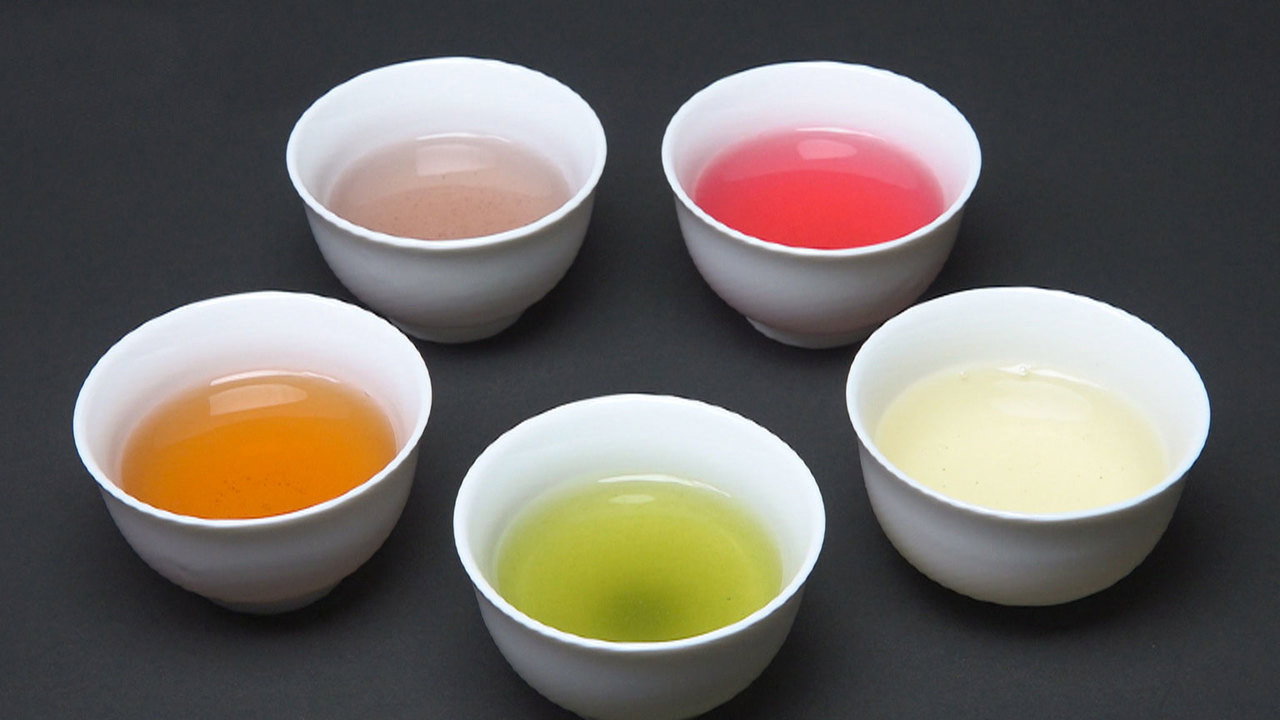
JAPANESE TEA
Dip into the vibrant world of Japanese tea to sample different aromas and flavors at a specialty shop. At a tea farm using a novel method, a shop owned by a former researcher selling 70 types of leaves, and a restaurant teaching the principles of food and tea pairing, discover how today's experts are keeping tea's evolution alive.

SALT
Salt isn't just an ingredient in Japan, it's used for purification rituals in sumo and at temples and shrines. It all started with an ancient sea salt extraction process. On the northern shores of the Noto Peninsula, registered as a globally important agricultural heritage system, grab your buckets and get to work collecting sea water! Also feast your eyes on seasonings, preserved foods, flavored salts, and more savory delights unique to Japan.
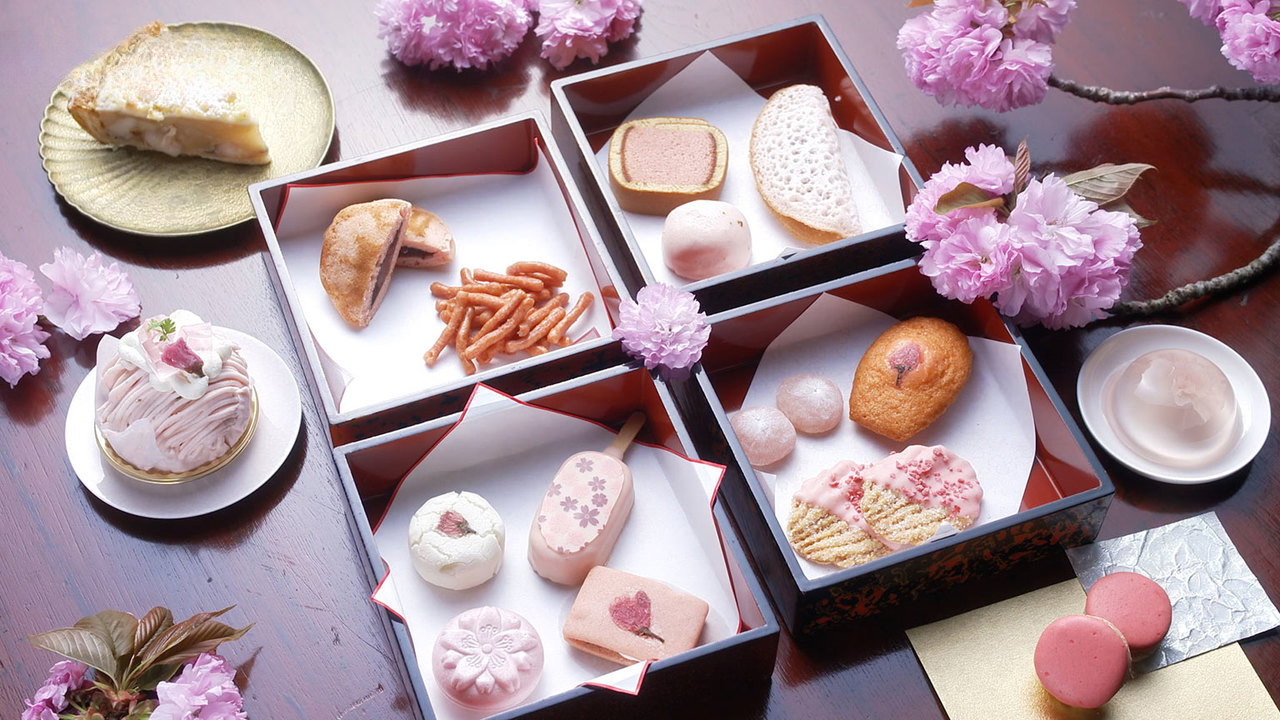
SAKURA
Sakura—the beloved cherry blossoms that symbolize the coming of spring in Japan. More than just eye candy, the blossoms and leaves are also salted and consumed. Sakura farmers scramble up trees to collect the best ones before everything falls to the ground. Reporter Saskia lends a hand before visiting a 300-year-old sweets shop depicted in woodblock prints to find out more about the flower's culinary roots. She also meets an individual responsible for the popularization of sakura as a flavor.
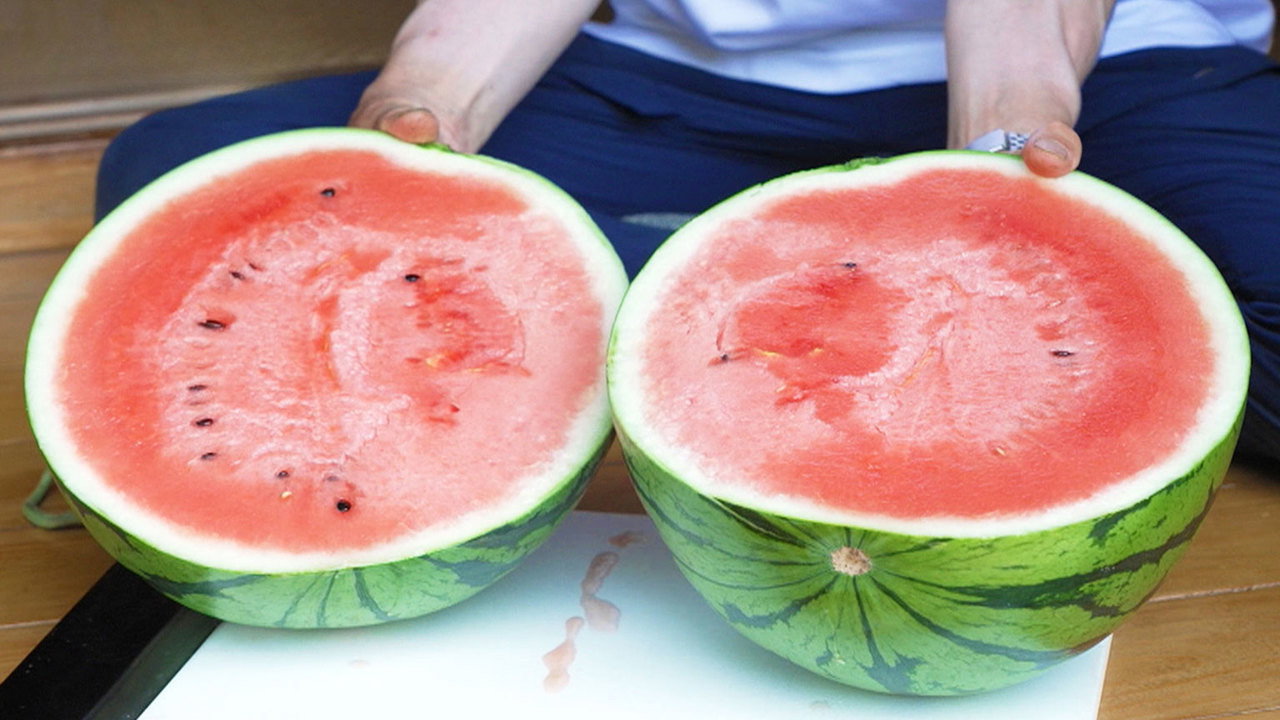
WATERMELON
Eating sweet, refreshing watermelon is a popular way to combat the summer heat. In Japan, seasonal festivities wouldn't be quite the same without it. Appropriately named, watermelon consists of 90% water and is filled with nutrients that protect the body against heat fatigue. Visit a top production area where farmers are hard at work making the largest, sweetest watermelons possible. Also feast your eyes on colorful varieties and innovative dishes that make use of the rinds.
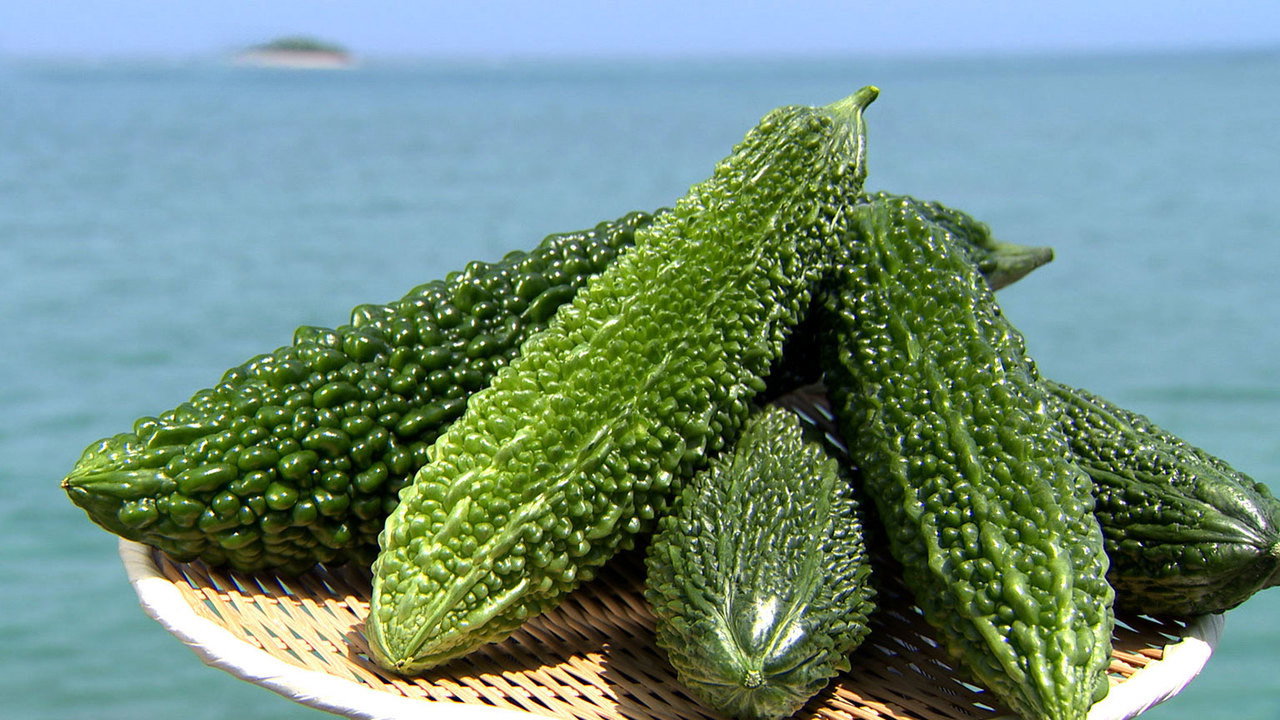
GOYA
The spotlight is on goya, also known as the bitter gourd. A star of Okinawa Prefecture, the summer vegetable is now grown across Japan. But that's only in the last 20 years or so! See all the varieties an Okinawan farmer's market has to offer, and others that a local research center is developing for nationwide consumption. Learn why farmers in Gunma Prefecture have switched to goya in recent years, and how local high schoolers are working hard to promote consumption through economical "green curtains."

MAITAKE
Maitake are popular mushrooms packed with aroma and umami. Their uniquely firm texture is perfect for tempura and stir-fried dishes. The development of cultivation technology has taken the once elusive variety from the depths of the wild to local shops, all year round and at affordable prices. Visit a mountain farm outside Tokyo to see how they're grown using natural spring water, then feed your appetite at a French restaurant specializing in mushroom dishes.
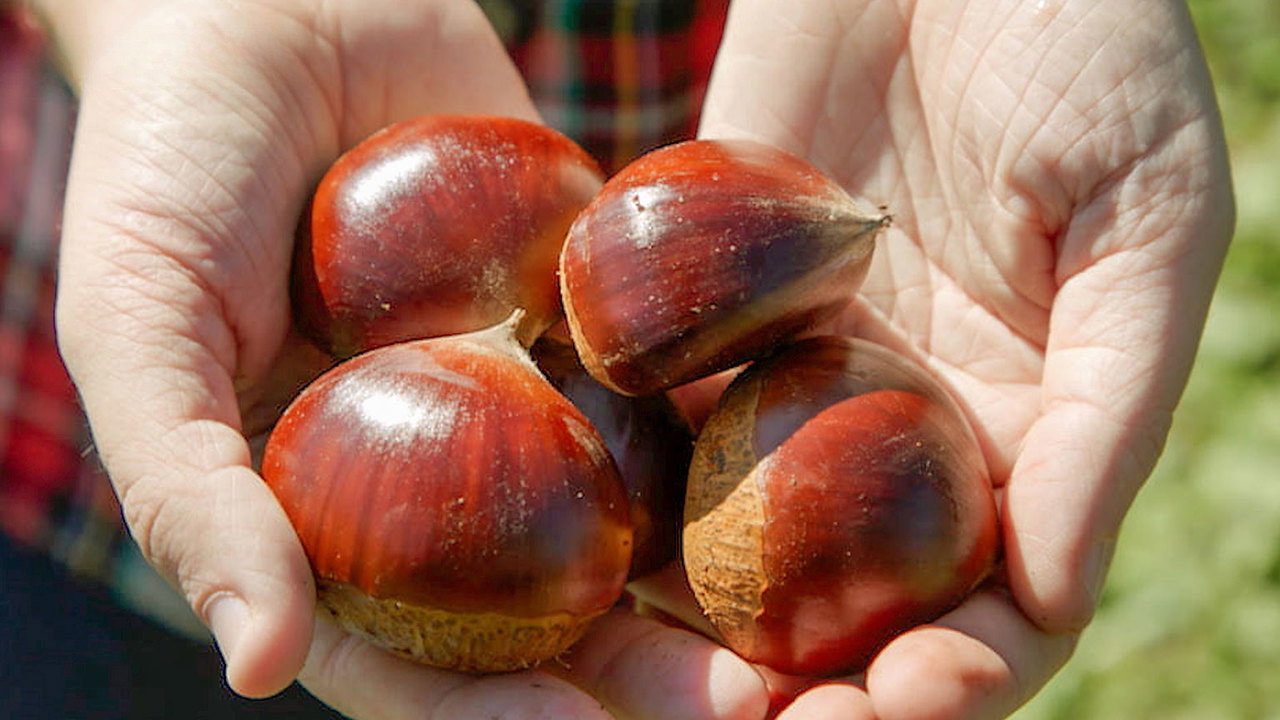
JAPANESE CHESTNUT
Japanese chestnuts are known for their hearty texture, subtle sweetness, and size! Ones from Obuse are especially large. Experience a harvest there and feast your eyes on traditional "chestnut rice." We also dig into how a European dessert called Mont Blanc evolved into a uniquely Japanese delight. Explore new horizons, including French cuisine featuring fall truffles and Japanese chestnuts.
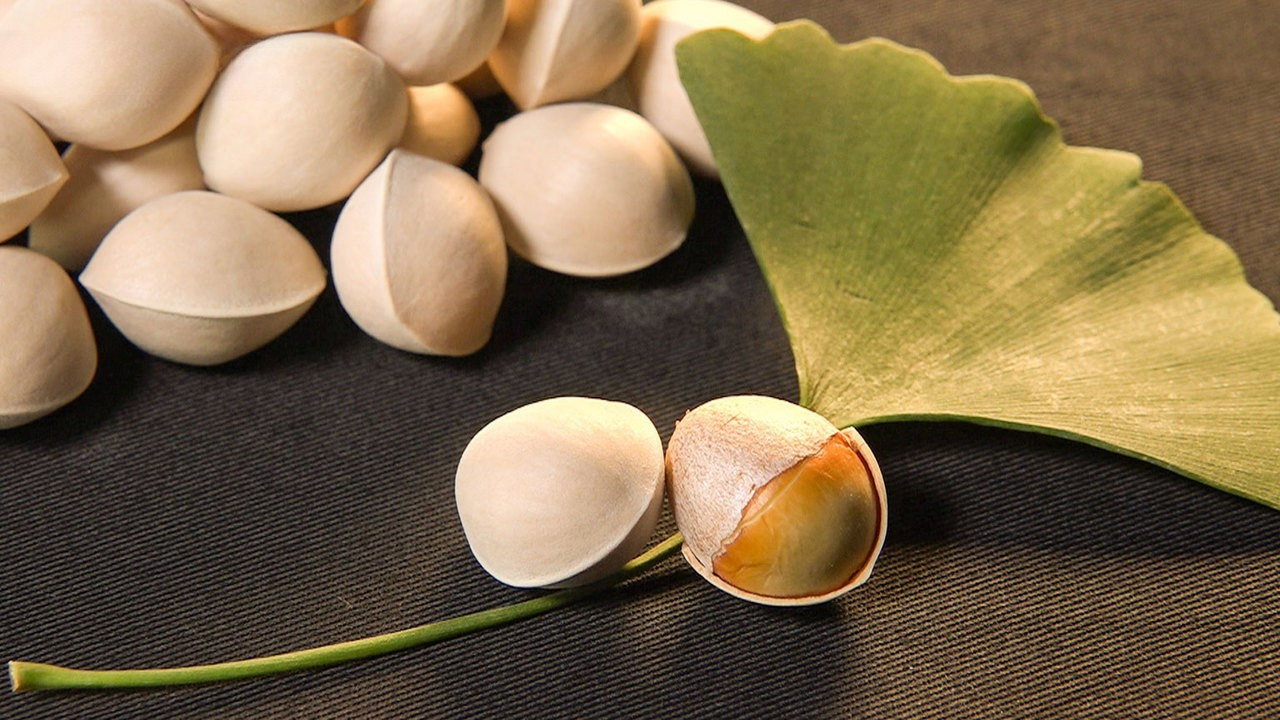
GINKGO NUTS
Darwin called ginkgo trees living fossils. In fall, they offer a fun splash of yellow to the colorful landscape. Today, we focus on their nuts! The outer shell may smell a bit funny, but inside is nothing but great flavor. Harvest ginkgo nuts from 10,000 trees at a famous production site and chow down with local farmers. Feast your eyes on traditional recipes, and discover how the nut is paired with champagne at a French restaurant in Tokyo.
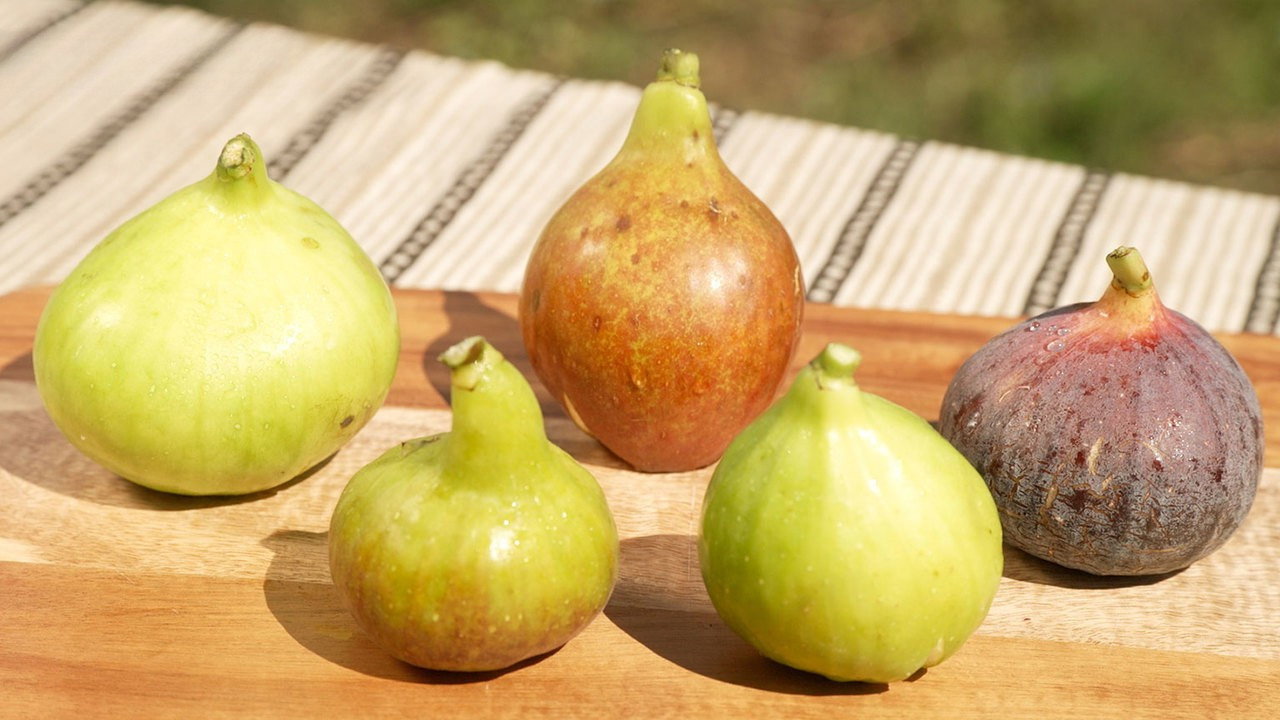
FIG
Delicate and easy to spoil, figs are often sold dry. But in Japan, raw consumption is growing ever more popular. An orchard in Shizuoka Prefecture, where many of Japan's fruits are grown, is hard at work cultivating new varieties. Each type offers a unique flavor, color and texture to recipes, demonstrating the fig's true versatility as an ingredient. Discover how the fruit is enhancing Japanese cuisine, from sweet to savory. Enter the fascinating world of figs.
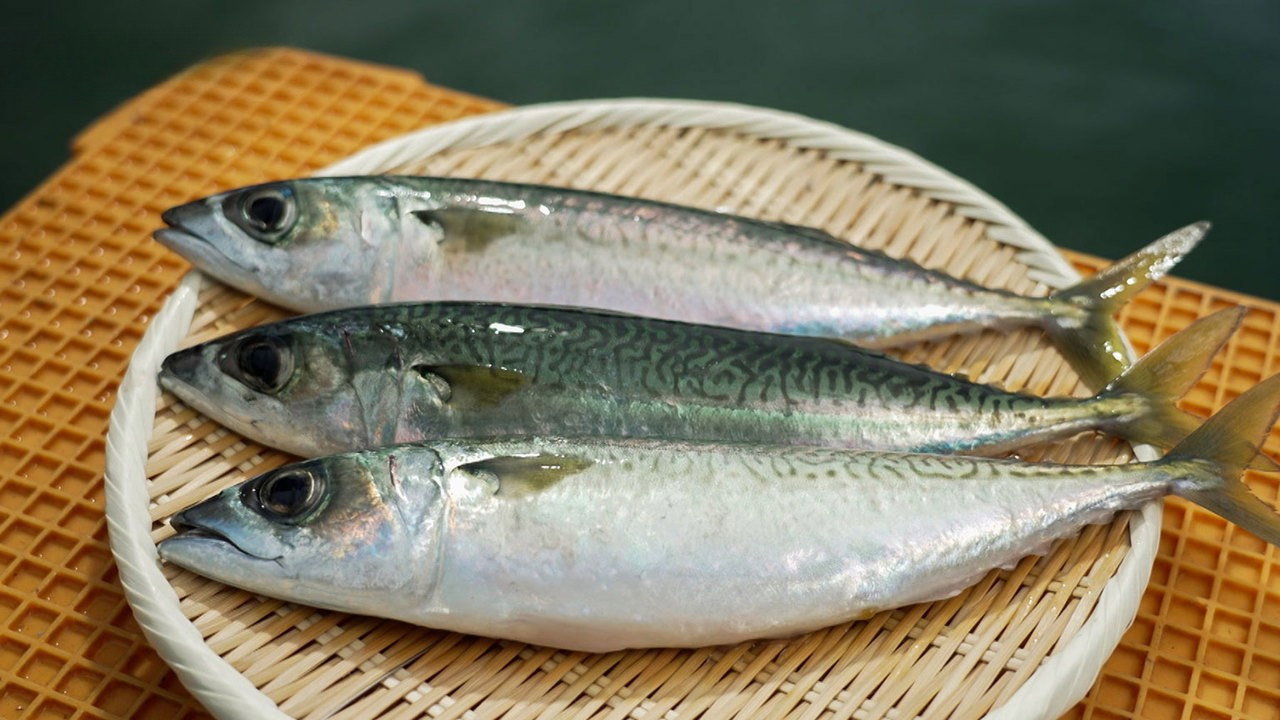
SABA
Our saba journey begins at Tokyo's Toyosu Market. We then visit Kyoto Prefecture for some festival food that remains a key part of local tradition before heading to Obama, Fukui Prefecture, at the other end of the Saba Kaido, a historic trade route. Regional synergy continues to this day, with sake lees from Kyoto playing a key role in aquaculture at Wakasa Port. Also discover the expanding world of canned saba, and cook outside with our reporter, Michael, using organic veggies from his farm.
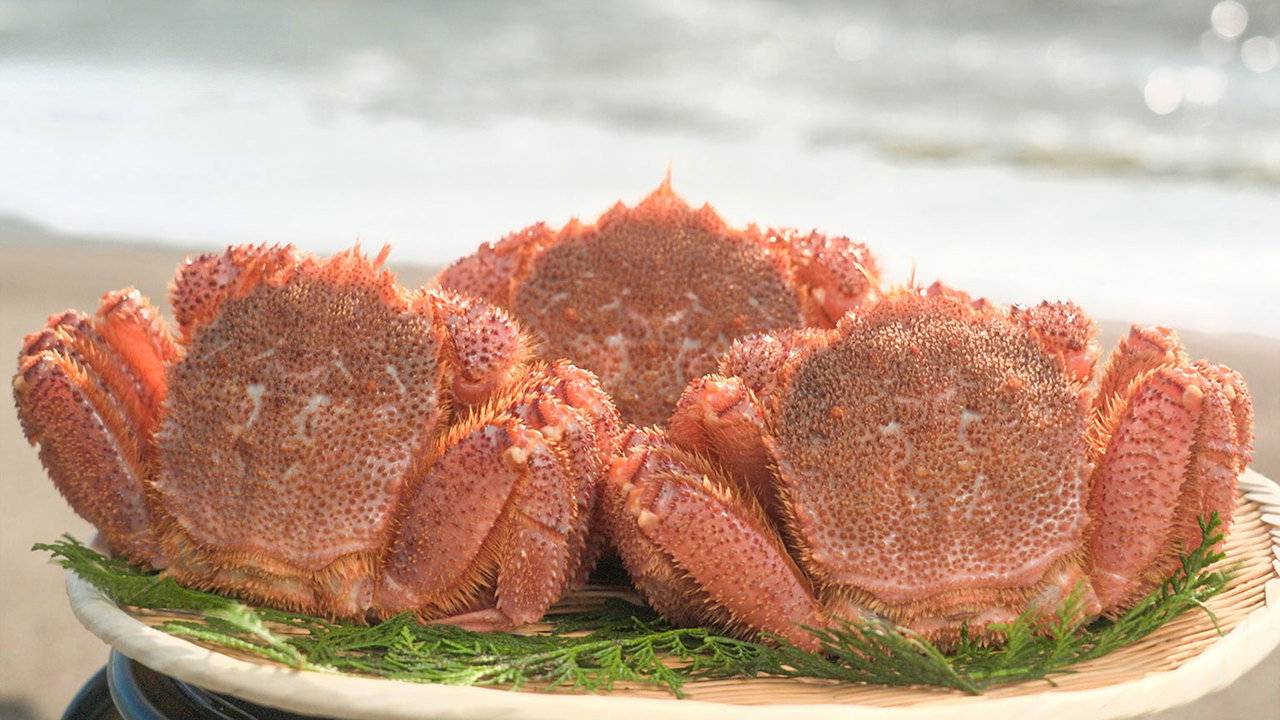
HORSEHAIR CRABS
Horsehair crabs — the ones covered with tiny hairs. The high-end crustacean is loved for its sweet, delicate meat and rich and creamy innards, or kani miso. At one of the world's largest wholesale markets, an expert shows us what to look out for in terms of quality. Also join cage fishers in Hokkaido Prefecture during chilly morning hours. After the treasure hunt at the sea, taste the prized horsehair crab in local dishes, and venture back to Tokyo to see how it's used in international cuisine.
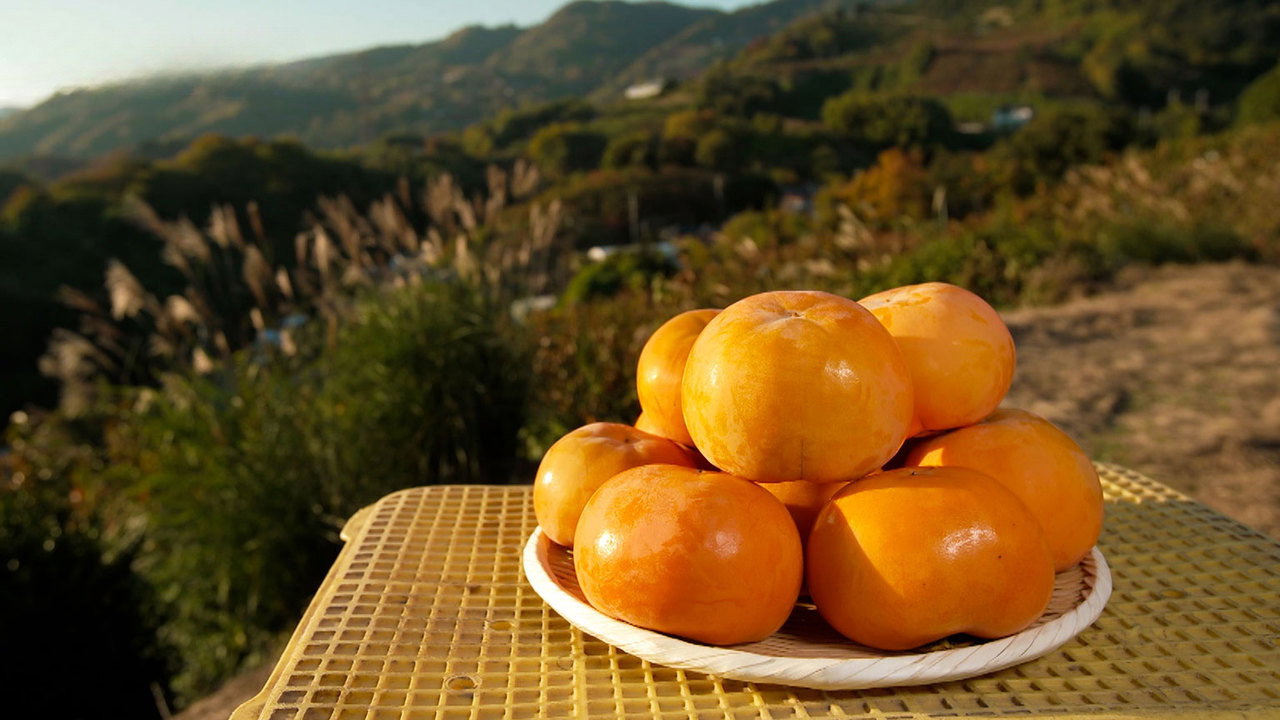
KAKI
Kaki, or Japanese persimmons, represent fall in Japan. Introduced to Europe in around the 16th century, the fruit is referred to by its Japanese name around the world. Around 60 varieties of nutritious kaki can be found across Japan, with differing flavors and shapes. Visit Wakayama Prefecture to taste local kaki dishes, then head to a village deep in the mountains where curtains of dried kaki hang. Discover a New Year's tradition involving the fruit, and more about kaki's deep roots in Japanese culture.
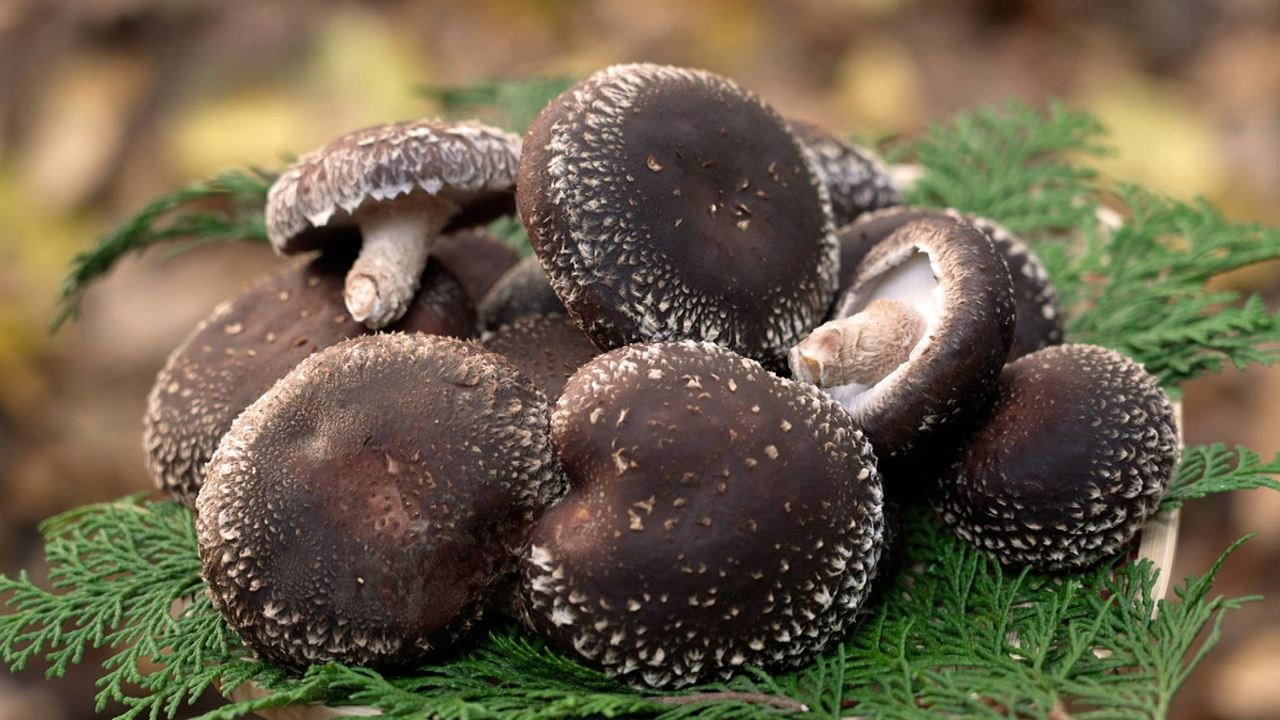
SHIITAKE
Shiitake — the star Japanese mushroom known for its strong umami. Visit a farmer who uses centuries-old cultivation methods to conserve the natural surroundings, then head over to our reporter's hometown in Sweden to see how shiitake have grown in popularity overseas. We'll be cooking up all kinds of mushroom dishes, from Scandinavian to French to Japanese.
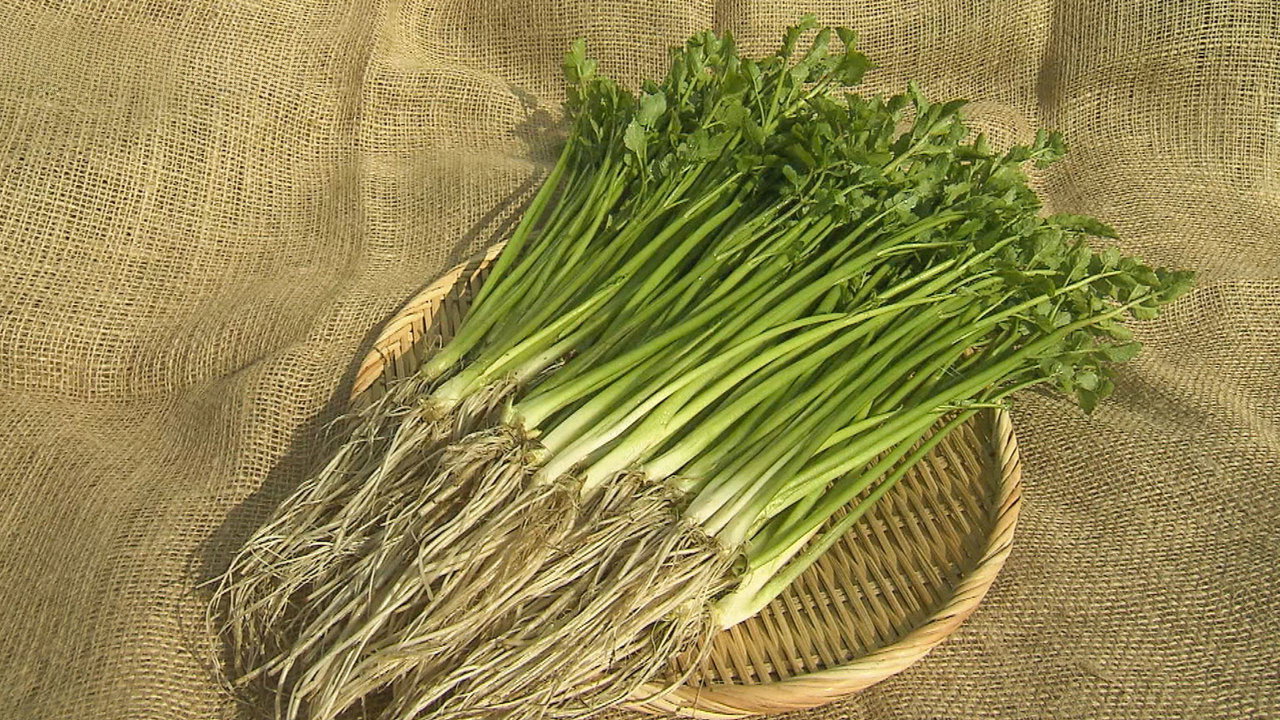
SERI
Seri, in season from winter to spring, was a key source of nutrition during harsh winters when produce was scarce. It grows in cold, mineral-rich water, giving it a delectable crunch and aroma. Join our reporter in muddy, flooded paddies for a harvest experience and check out a local dish that took on an iconic role in post-earthquake recovery. Also visit TOKYO SKYTREE for Italian seri dishes that are truly inspiring.
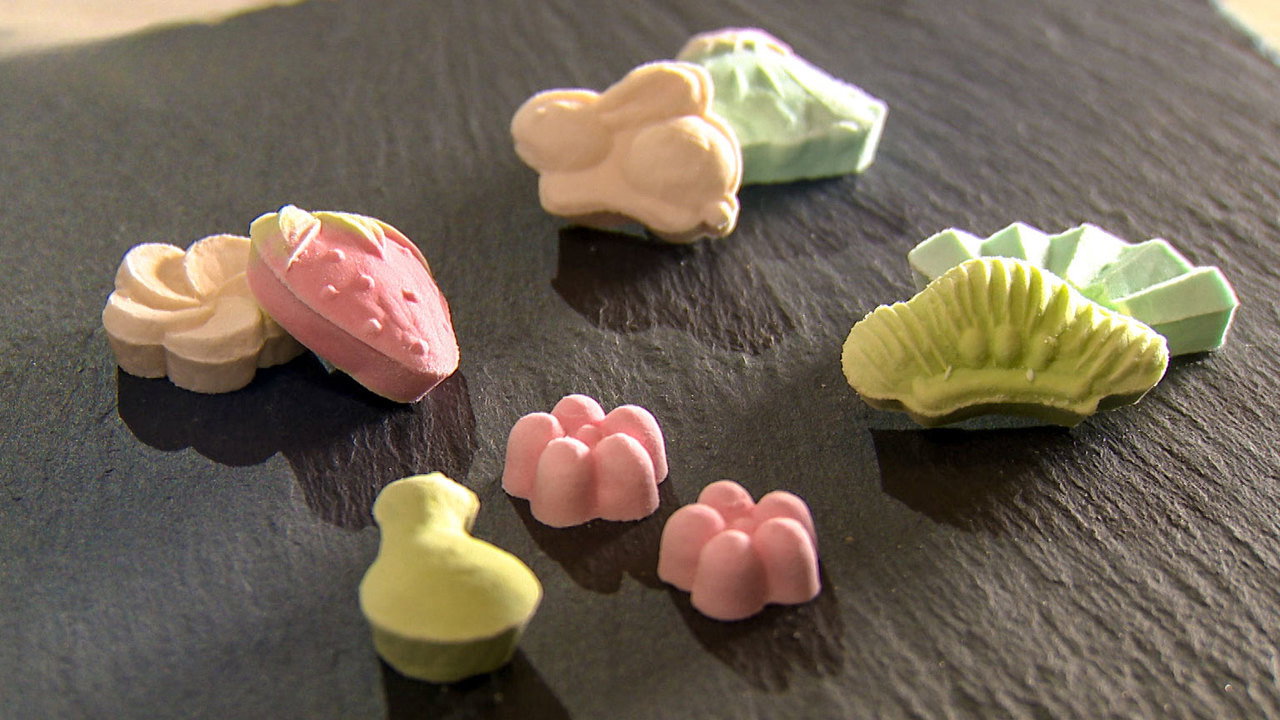
WASANBON
In Japan, there's a type of sugar for nearly any recipe. Among them, wasanbon is perhaps the most precious, as it's produced in only six refineries in the country's Shikoku region. The secret to its quality lies in a traditional method practiced since the Edo period. See the magic happen for yourself, and feast your eyes on all kinds of food that call for Japan's special sugar.
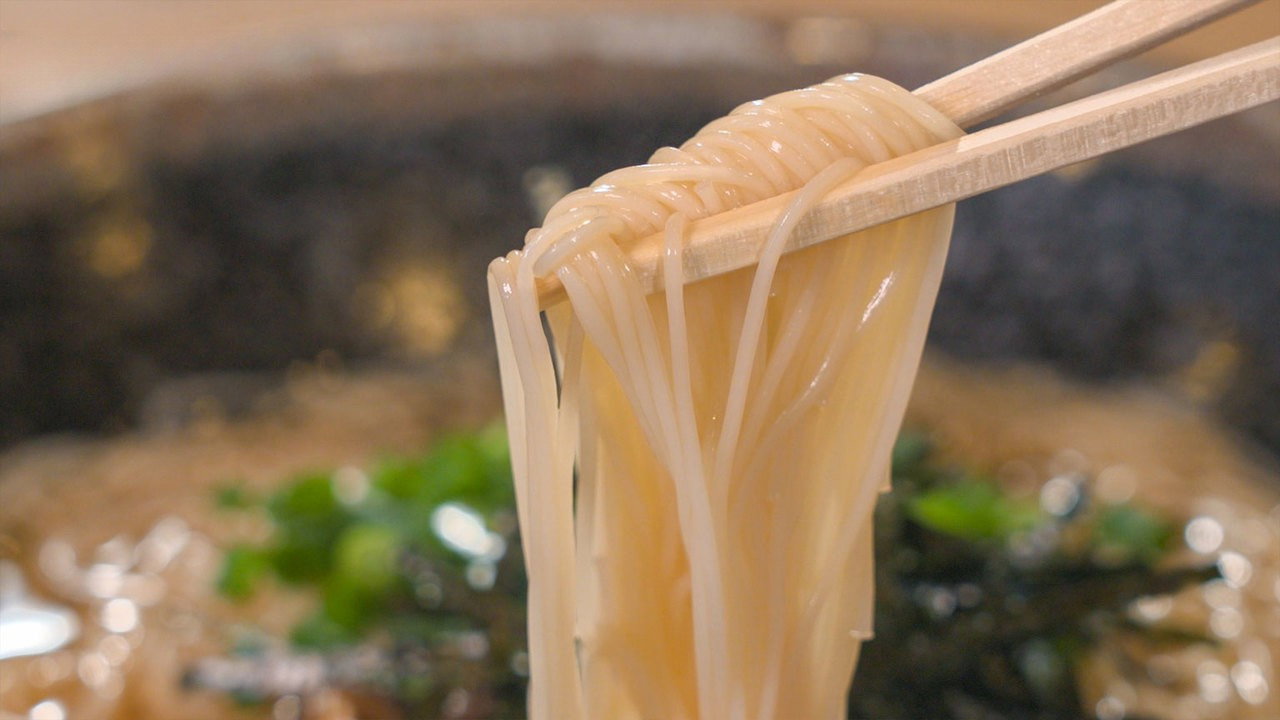
SOMEN
Somen: these traditional Japanese noodles are amazingly thin and white. Japan has many noodles, like soba, udon and ramen, but the saga of somen goes back some 1,200 years. We visit Miwa, Nara Prefecture to see how traditional techniques are used to stretch somen again and again over a two-day period to achieve millimeter thinness. We also see how somen works in recipes from curry to Okinawan to even Italian with cheese and tomato sauce. Slurp into the history of somen!

KUZU
Kuzu plays a key role in Japanese cuisine, from savory to sweet. The starch can be mixed in hot water to form a clear jelly, or used to thicken sauces and soups. The raw material is found deep in the mountains. Our journey takes us from harvest to factory, detailing a long process that remains largely unchanged for over 200 years. Feast your eyes on exquisite food featuring kuzu, an unsung hero of Japan's culinary culture.

YOMOGI
Yomogi speckles the fields and roadside greenery of the spring season. Used in various dishes, from savory to sweet, the plant is also used to produce a substance called moxa for healing methods that date back over 1,000 years. The "queen of the herbs" is even mentioned in classical poetry. With health benefits thought to promote longevity, it's played a key role in Okinawan tradition. Dig in to discover more about this overlooked weed!

HIMONO
Himono, or dried fish, is a product of Japan's long history as an island nation blessed with seafood. Armed with wisdom from the past, preservation methods have evolved to enhance flavor. How does it get so juicy and packed with umami? Visit a key production area to see artisans at work, and feast your eyes on himono dishes that are reinventing the wheel.

YUBA
Yuba is the thin film that forms when soymilk is heated. It's rich in protein and nutrients and is essential in Buddhist cuisine. We visit temple-filled Kyoto, where yuba has long been a prized ingredient used in everything from high-end cuisine to home cooking. We visit a yuba producer founded over 300 years ago to discover how it's made, and enjoy yuba dishes at a world heritage temple and traditional Kyoto restaurants. In Tokyo, we see how yuba can be used in even French cuisine.

HOYA
The hoya, or sea pineapple, is one of the ocean's hidden delicacies. Protected by a hard shell, the marine animal's meat offers a wide range of flavors, including rich umami. In Miyagi Prefecture, hoya aquaculture has come a long way since the devastating tsunami that followed the Great East Japan Earthquake of 2011. Feast your eyes on an array of dishes featuring the edible ascidian, and discover how a restaurant in Tokyo is breathing new life into French cuisine.

BUTTER
Butter in Japan is typically unfermented. This allows the characteristics of the raw milk it's produced from to shine through—but milk's flavor varies by climate. In Hokkaido Prefecture, Japan's largest production area for butter, watch cows produce milk in a stress-free environment for processing at a large butter factory. Then, feast your eyes on a number of savory recipes, including inspiring ways to incorporate butter into traditional Japanese cuisine.

JAPANESE MUSTARD
Japanese mustard, or karashi, is an essential condiment for tonkatsu pork cutlets, the stewed dish known as oden, and many other everyday meals. We visit a mountain village in Kyoto Prefecture and meet a family who farms their own mustard greens to make karashi. This time-consuming process involves harvesting and filtering tiny seeds then grinding them into powder with an old-fashioned millstone! We also try a variety of delicious karashi dishes on this fun and spicy episode.

JAPANESE CURRY
Curry in Japan mainly comes as a thick sauce poured over white rice. With the development of roux cubes, curry rice became easy to make at home and in schools, launching the food into national stardom. Specialty shops across the country also began cooking up their own versions of the popular dish. Once ready-to-eat pouched food hit the market, Japanese curry became a tasty regional souvenir. Discover more about the unique world of Japanese curry!

FUKUSHIMA: FRUIT KINGDOM
Fukushima Prefecture has two mountain ranges and three differing climates, allowing a variety of fruits to grow. Areas facing the ocean have cool summers and warm winters—perfect for pears. In a basin sandwiched between eastern and western mountain ranges, daily temperature fluctuations produce large, sugar-packed peaches. Furthermore, inland areas with heavy snowfall offer some of the finest persimmons. Discover the charms of Japan's fruit kingdom—Fukushima.

WAGASHI
Wagashi, or traditional Japanese sweets made with unique ingredients like bean paste and agar jelly, are little works of art that excite all five senses. Their beauty and flavors reflect the changing of the seasons. Join us in Japan's former capital, Kyoto, to discover how wagashi became ingrained in daily life. At a shop that prepares desserts for tea parties, learn to make Japanese sweets using bean paste and traditional tools. Also explore the food's place in modern society, including coffee pairing and the use of novel ingredients that transform wagashi into a full-course meal.

NODOGURO
Nodoguro, characterized by red scales and large eyes, is a fatty, umami-packed fish. Starting out on regional dinner tables, it achieved national fame along with the development of the internet and shipping technology. Its flavor had a lot to do with its success, as demand eventually bumped nodoguro up to high-end prices! Visit Hamada Fishing Port in Shimane Prefecture to learn nodoguro's importance on local industry, and feast your eyes on juicy dishes at Japanese and French restaurants in Tokyo.

JAPANESE GIN
Gin, the popular fragrant spirit made from juniper berries, is experiencing a global "craft" boom. Expert distilleries are popping up across Japan as well. In central Tokyo, taste botanical gin that pays homage to regional history. In Gifu Prefecture, quality water and lush seasonal crops make excellent gin. Also learn about a distillery that uses recycled cacao and beer products. This and more about Japan's cool gin scene.

SAITAMA WHEAT
Saitama Prefecture, next to Tokyo, is known for its wheat cultivation and as an udon noodle kingdom. We explore Saitama's wheat culture by visiting flour mills and farmers and trying local udon and even beer.

APPLES
Nagano Prefecture in central Japan gets long sunlight hours and large temperature drops between day and night. This makes for some tasty apples! Feast your eyes on unique sweets made from native varieties!

GOBO
Japan is likely the only country to have incorporated gobo, a root vegetable, into its diet on such a wide scale. Witness novel and traditional harvesting methods and feast your eyes on unique dishes.

KIWI
The key to tasty kiwi is a ripening process that takes place after harvest. Discover new varieties being developed in Kagawa Prefecture and feast your eyes on innovative dishes.

PANKO
Known to the world as panko, Japanese breadcrumbs are made by breaking apart fresh loaves of bread. Experience Japan's crunchy, juicy and truly unique fried food culture.

CARROT
Japan has a number of carrot varieties resulting from selective breeding. Discover carrots grown beneath the snow and savor an array of dishes from French to Japanese.

KOYA-TOFU
Koya-tofu: a freeze-dried food made from tofu. It absorbs flavors like a sponge, making it ideal for a huge variety of dishes. We dive deep into this protein-packed superfood.

MENTAIKO
Mentaiko is cured and spiced pollock roe, with a deep flavor provided by kombu and katsuobushi broth. Discover the secrets of a beloved food that spread from Fukuoka to the rest of Japan.

FUKINOTO
Fukinoto signals the coming of spring. Shaped like a lovely bouquet, the mountain veggie offers a stimulating bitterness that people wait all year to enjoy.

WAKASAGI
Wakasagi—small, 10-cm fish—are the star of Japan's winter fishing season. Drill holes in an icy lake for some line fishing, and meet fishers who are passionate about conservation efforts.

ISE-EBI
Ise-ebi is the king of Japan's crustaceans. With its elegant flavor and warrior-like appearance, the high-end food is a must on festive occasions. Feast your eyes on delectable local cuisine.

NISHIN
Schools of nishin, or Pacific herring, enter Japan's cooler northern waters in spring. Once a lucrative part of local economies, the fish remains a staple ingredient in various Japanese dishes.

SPRING OYSTERS
Spring oysters, packed with umami before spawning, have been attracting attention in recent years. We visit Hiroshima Prefecture, Japan's largest oyster-producing region, to learn more.

MELON
Japanese melons are known to be juicy and intensely sweet. Their beautiful netting patterns indicate careful cultivation and wonderful flavor. Meet dedicated farmers and savor a truly versatile fruit.

RAKKYO
Pungent, aromatic rakkyo is grown in Tottori Prefecture, a major production area famous for sand dunes. See how farmers battled with a harsh environment to eventually produce a quality, versatile veggie.

ASPARAGUS
Asparagus brings a pop of color to early summer, and increasing demand is promoting a bevy of new varieties. Witness cutting-edge cultivation in Hokkaido Prefecture, Japan's largest production area.

ENOKI
Enoki are the most produced mushrooms in Japan. The thin, white mushrooms are a staple ingredient in hot pot dishes. Check out amazing cultivation methods and feast your eyes on some unique recipes.

SHISO
Shiso: a Japanese herb gaining fans worldwide. Refreshing shiso is key in Japanese cuisine, which features a lot of raw fish. See how shiso's leaves, flowers and seeds are all used in oishii dishes.

OCTOPUS
Is octopus a superfood? Enjoy traditional fishing and dishes in Akashi, a major production area. Also, see how low-fat, high-protein octopus can be used in French cuisine, highlighting its potential.

RICE FLOUR
Rice flour is attracting global attention. After using it for ages to make sweets, Japan employs the latest milling tech to create rice flour for various uses. See how the powder continues to evolve.

TOMATO
Tomatoes offer great umami—something that's key in Japanese cuisine. Japan is home to some 300 varieties where novel cultivation methods utilizing technology could change how we grow food.

EDAMAME
World-famous edamame are soybeans harvested before maturity. They're great simply boiled and seasoned with salt, but check out some other ways to savor their sweet aroma and rich umami.

KUE
Kue is a large deep-sea fish that's quite elusive, but its superb flavor keeps people begging for more. Savor unique dishes and learn about efforts being taken to protect this luxurious fish.

KABOCHA
Kabocha, or squash: over 160 types are grown in Japan, many of them native. Visit passionate farmers across the country, including those who utilize grape trellises and extended ripening methods.

TOFU
Visit specialty tofu makers across Tokyo that are deeply rooted in their local communities and see how the traditional food has come to be used in all kinds of cuisine, from east to west.
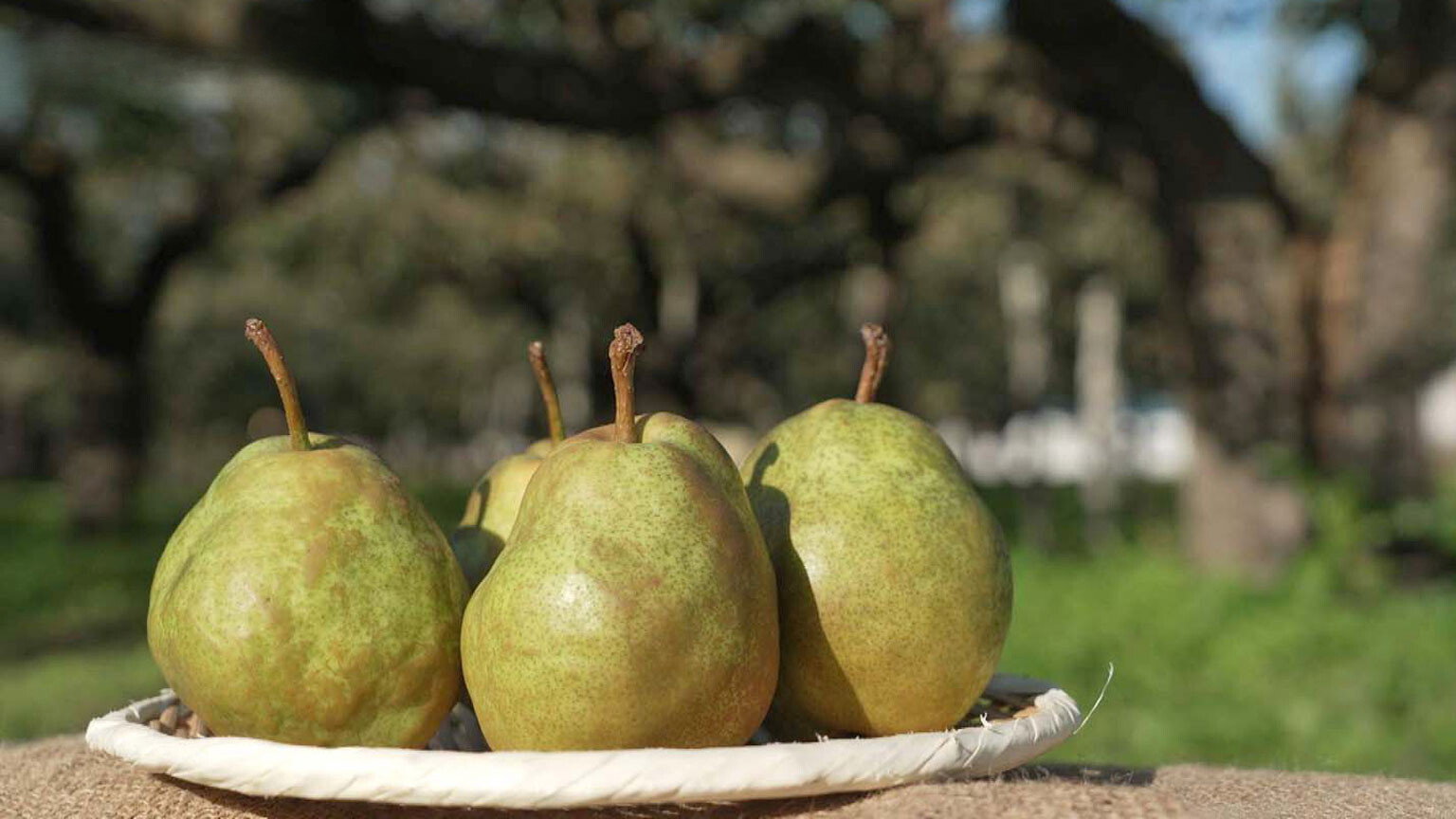
Pear
Japan's pears are a thing of juicy-sweet luxury thanks to strict quality control and unique ripening methods. See how they're cultivated and check out some amazing pear-focused recipes.
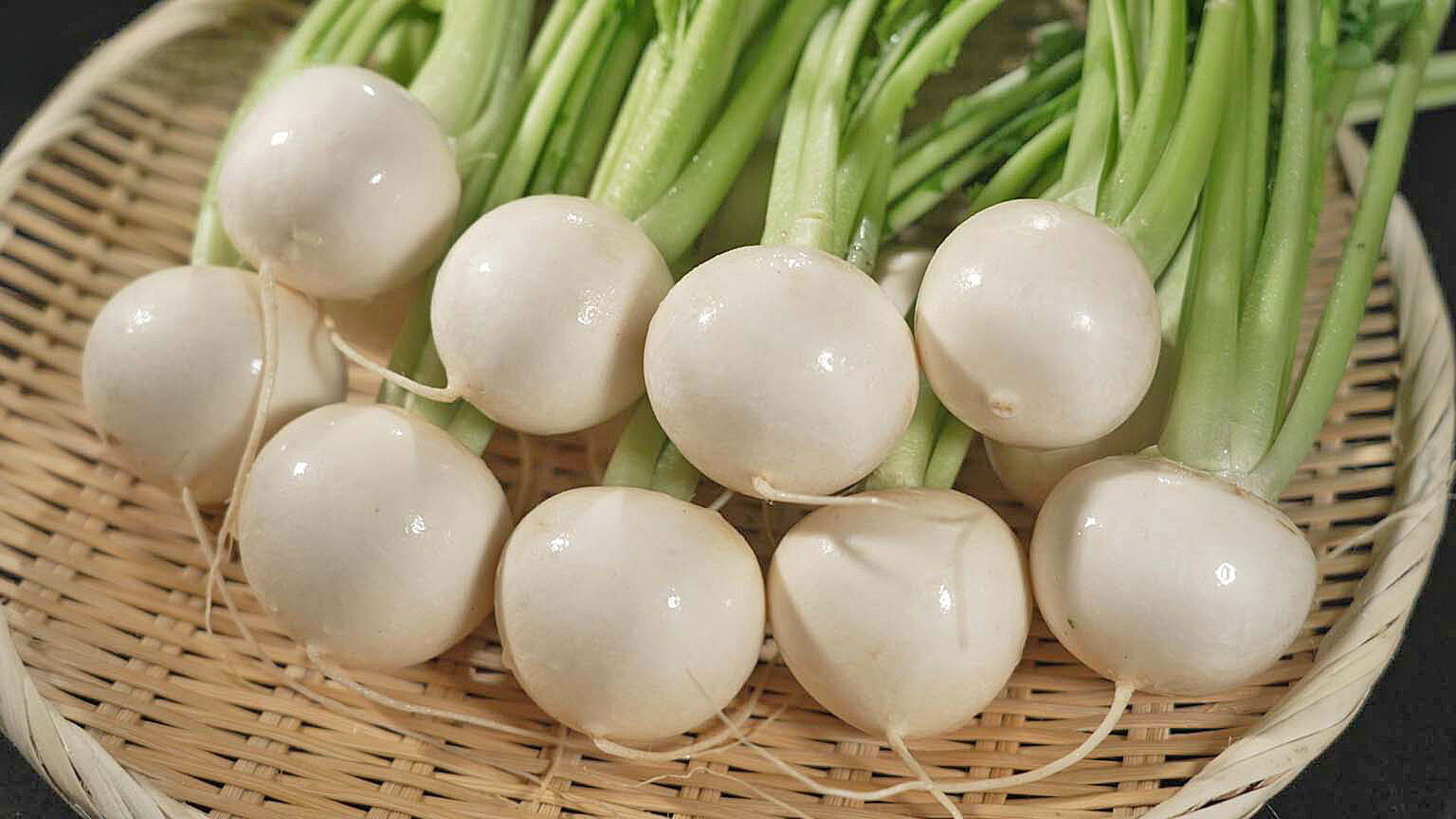
Turnip
Turnips are a versatile ingredient that sparks the imagination of skilled chefs. Visit Japan's largest turnip production area and explore a variety of dishes, from Japanese to French cuisine.

Mirin
Mirin, or sweet sake, is just as important in Japanese food as soy sauce or miso. It adds sweetness, depth and a lovely shine to ingredients! Learn more about mirin's key role in Japanese cuisine.

Kiriboshi Daikon
Kiriboshi daikon—daikon radish that's cut and sun-dried to preserve it. Both tasty and nutritious, it's gaining traction as a health food. Discover more about its unique texture and versatility.
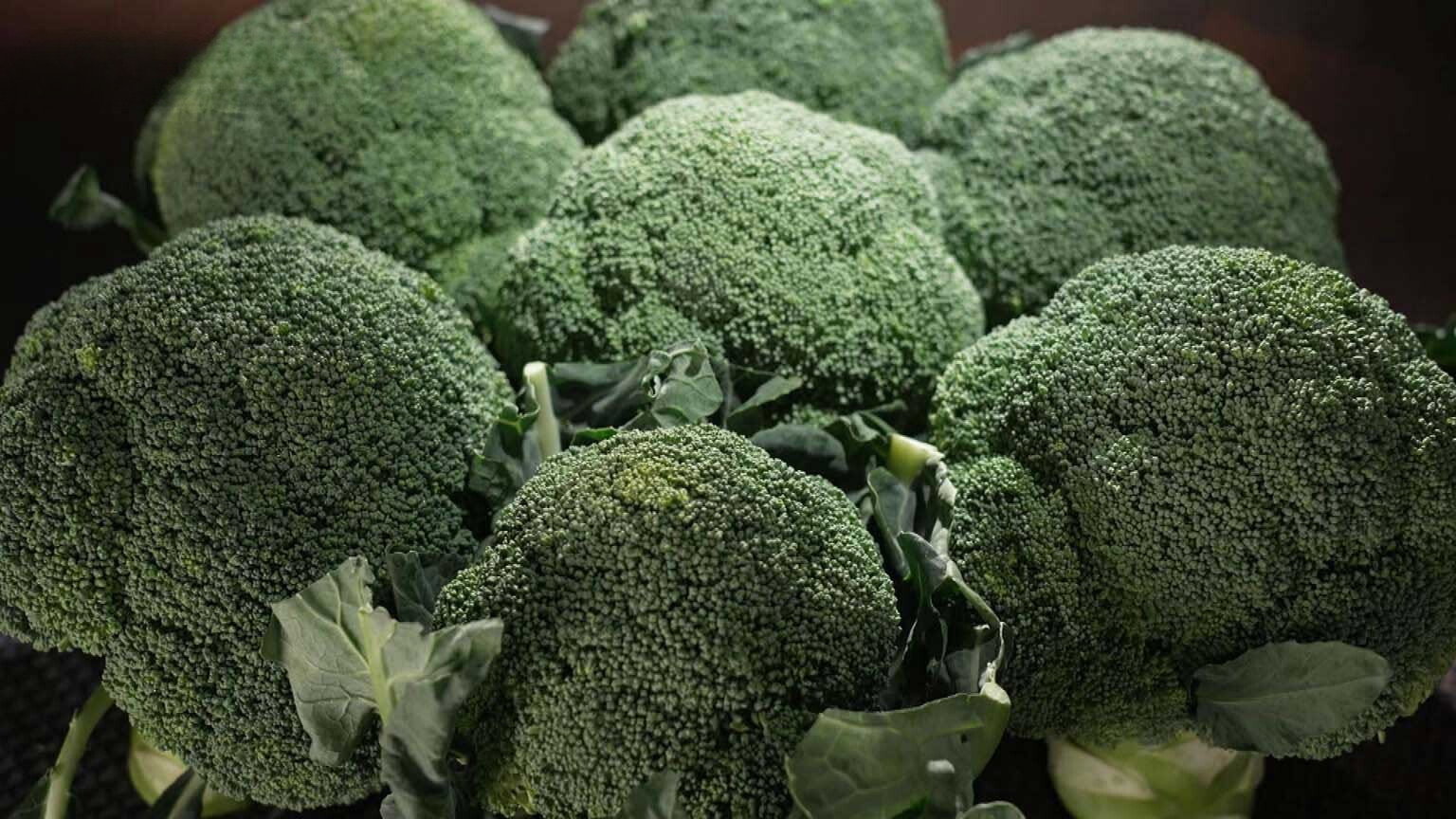
Broccoli
Broccoli is still a relative newcomer to Japan, but has become a staple ingredient in Japanese households. Explore broccoli's wide appeal and how it's used in all kinds of dishes, even in sweets!
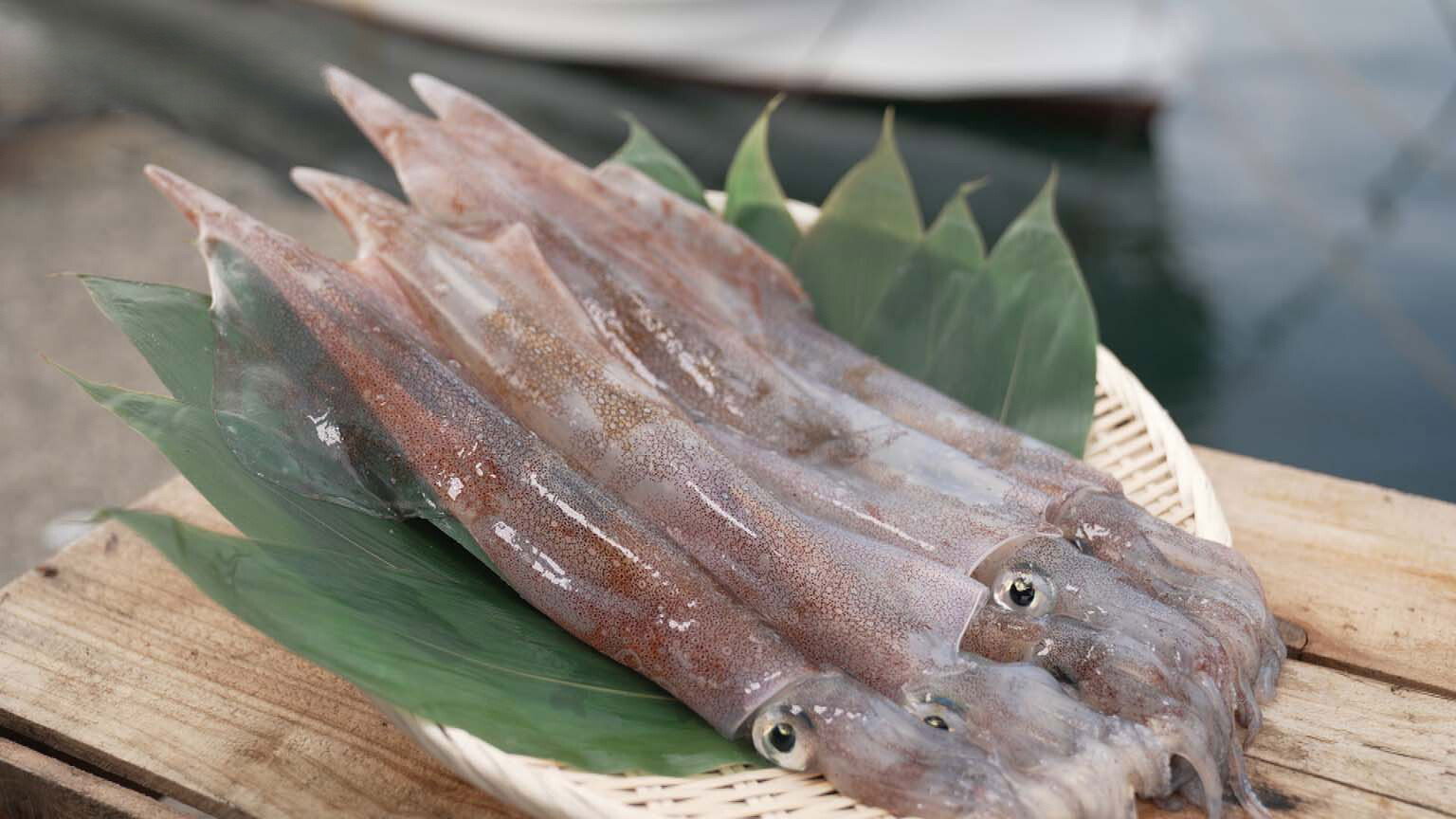
Spear Squid
In squid-loving Japan, spear squid is immensely popular. Tag along with fishers in Hokkaido and savor some regional cuisine, fresh sushi, and a special take on a beloved Italian-inspired inky dish.
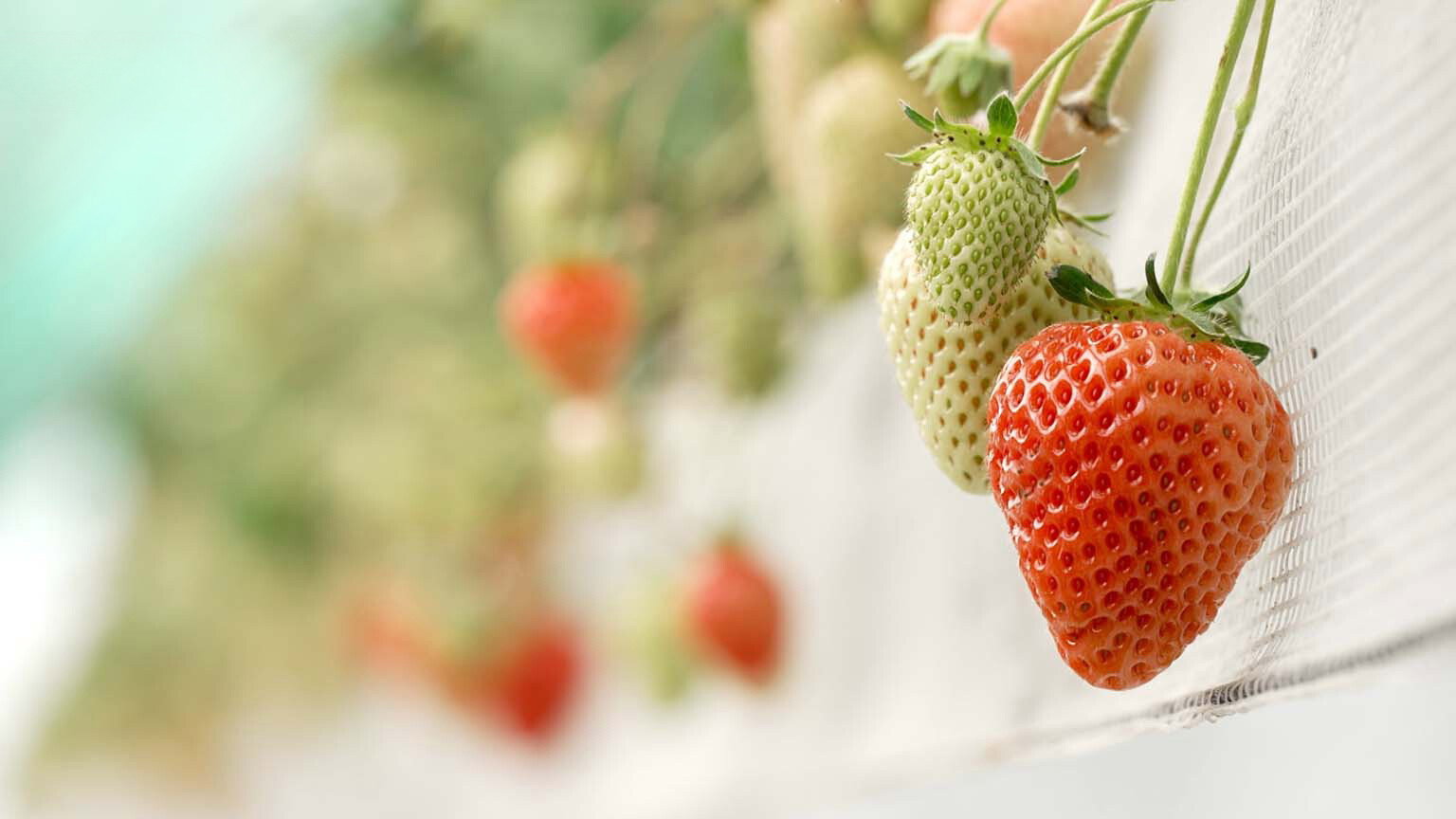
Strawberries
Japanese strawberries stand out with a perfect sweet-sour balance and stunning looks. Join us in Fukuoka for some dazzling parfait and to meet the growers behind a famous variety.
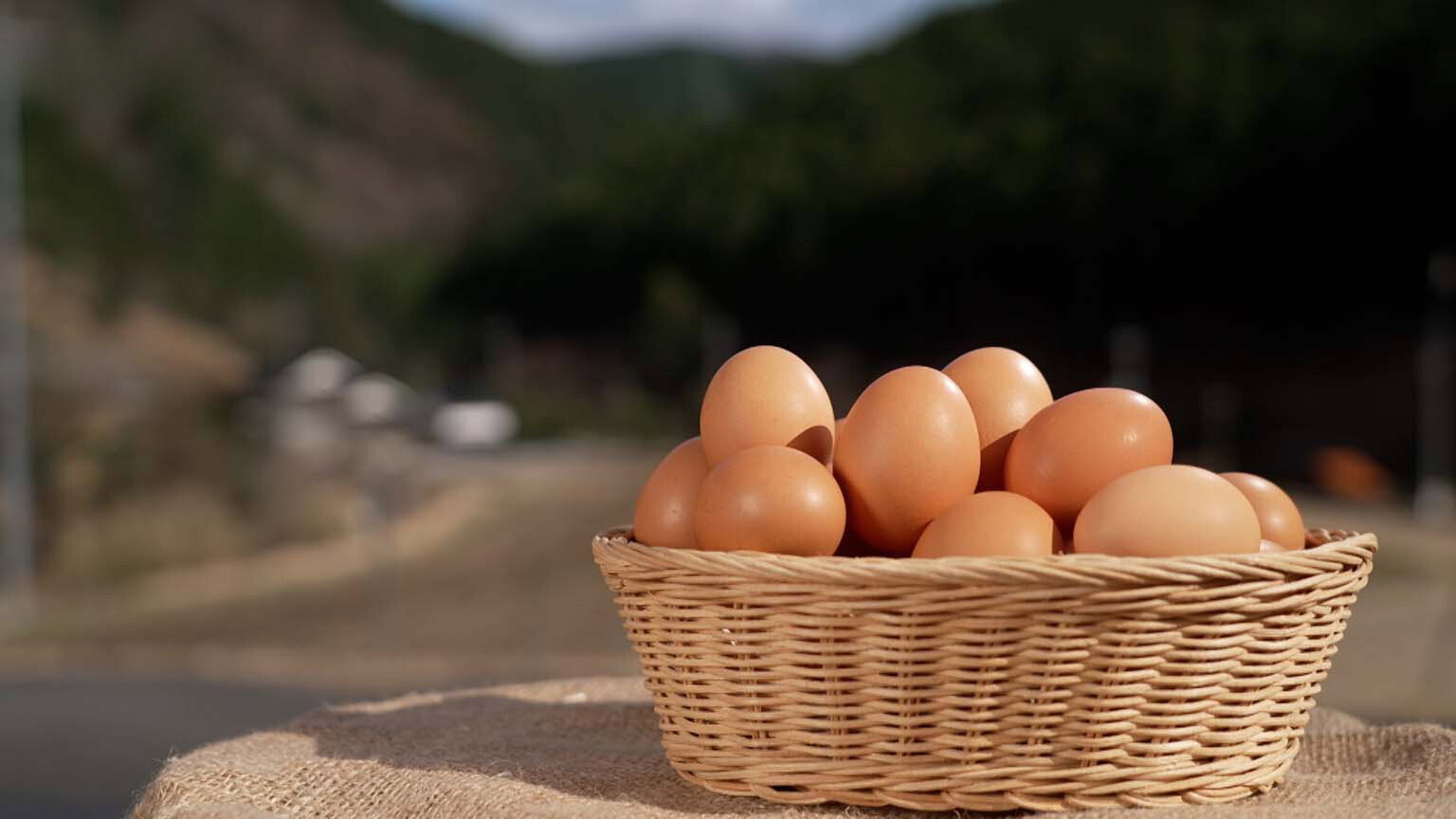
Eggs
Unique Japanese egg dishes like raw egg over rice are a hit with inbound tourists. Visit farms that produce eggs safe to eat raw, and savor a variety of dishes at a long-established Kyoto restaurant.
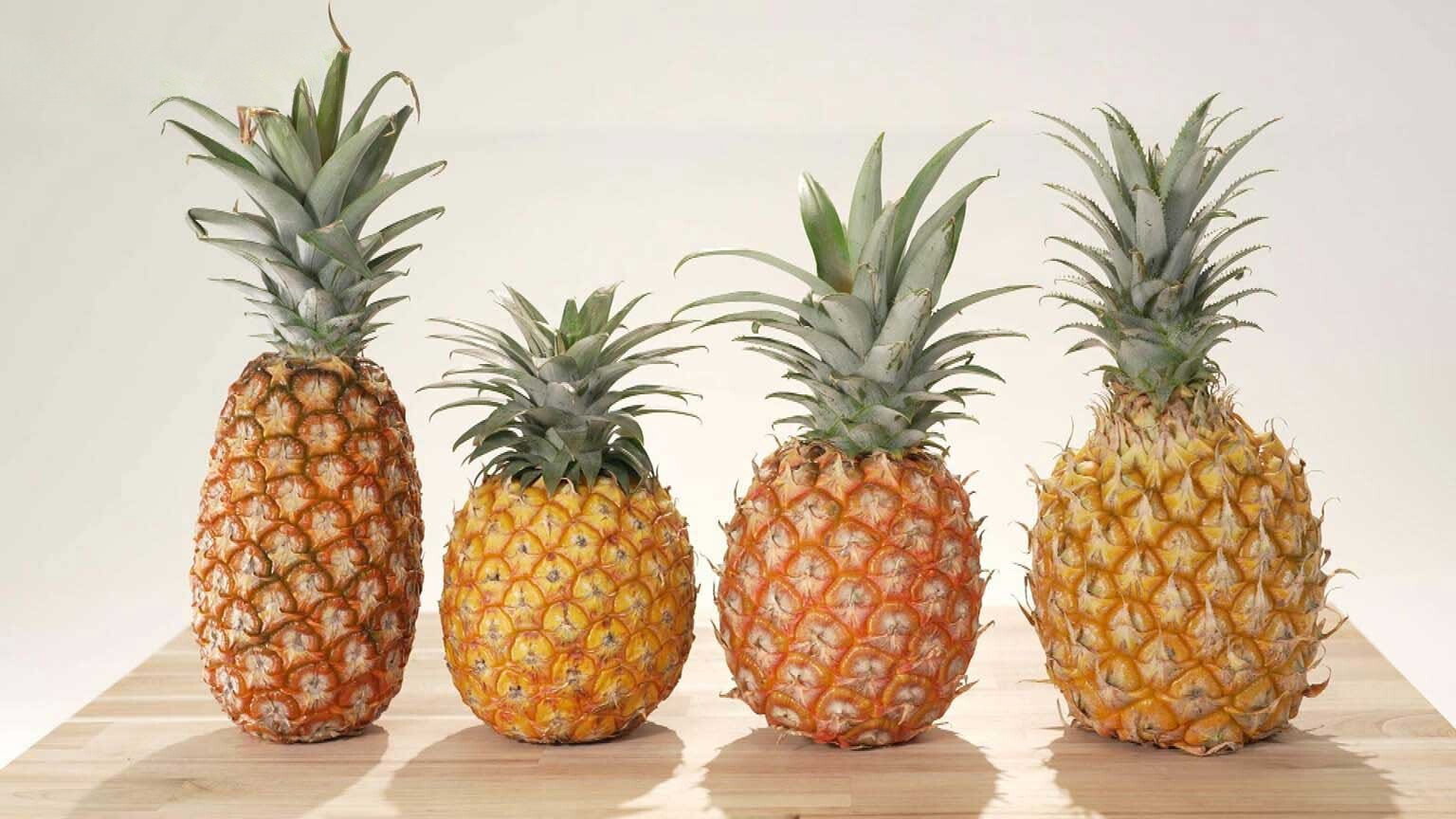
Pineapple
Pineapples are grown on Japan's southern islands, the northernmost limit of their cultivation. New varieties continue to emerge, and pineapples left to fully ripen in the field are charming consumers.
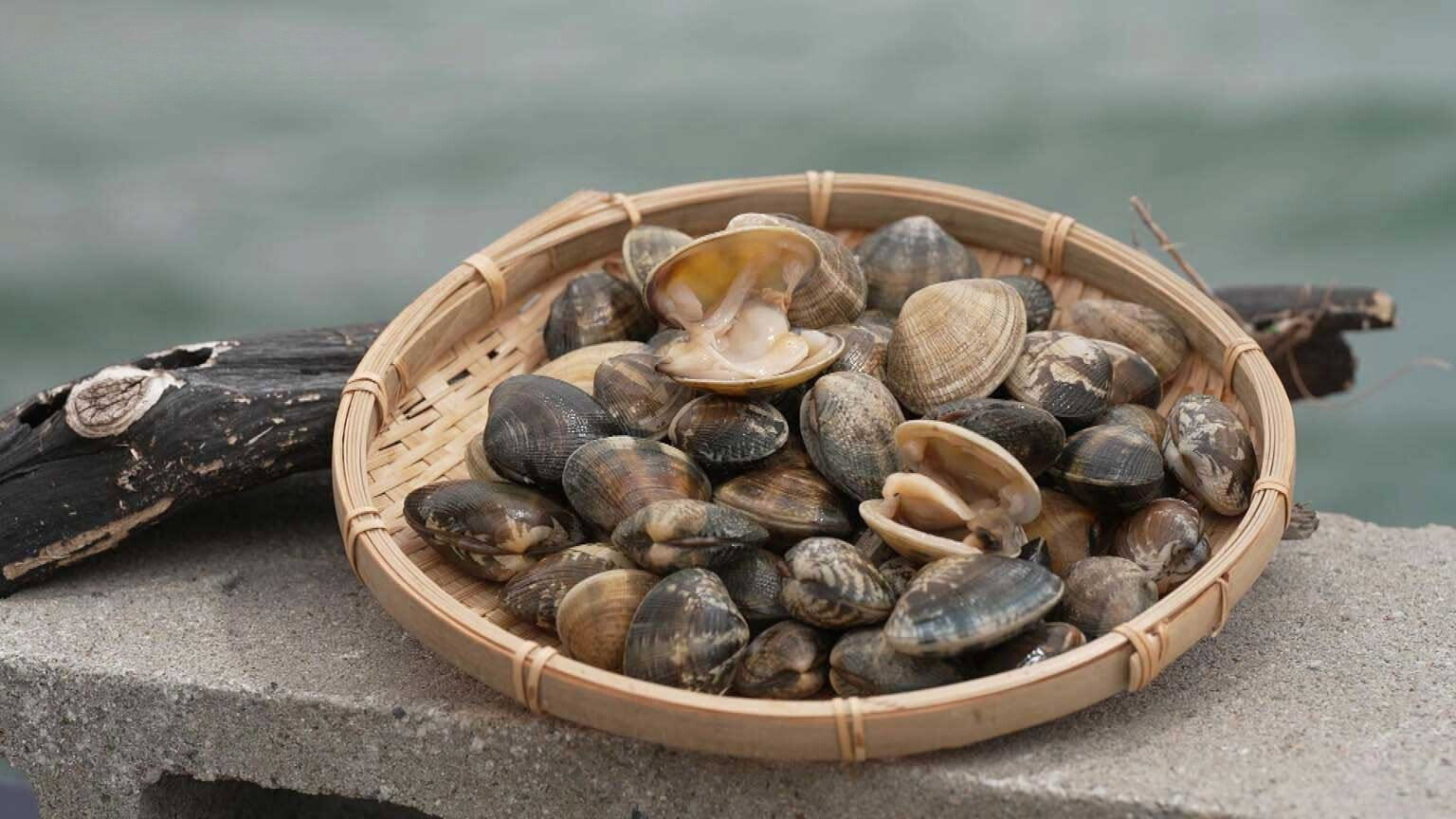
Asari
Introducing asari, Japan's most popular clam. Visit Aichi to feast your eyes on asari dishes and see how they're cultivated using suspended cages. How about diving for some giant asari?!
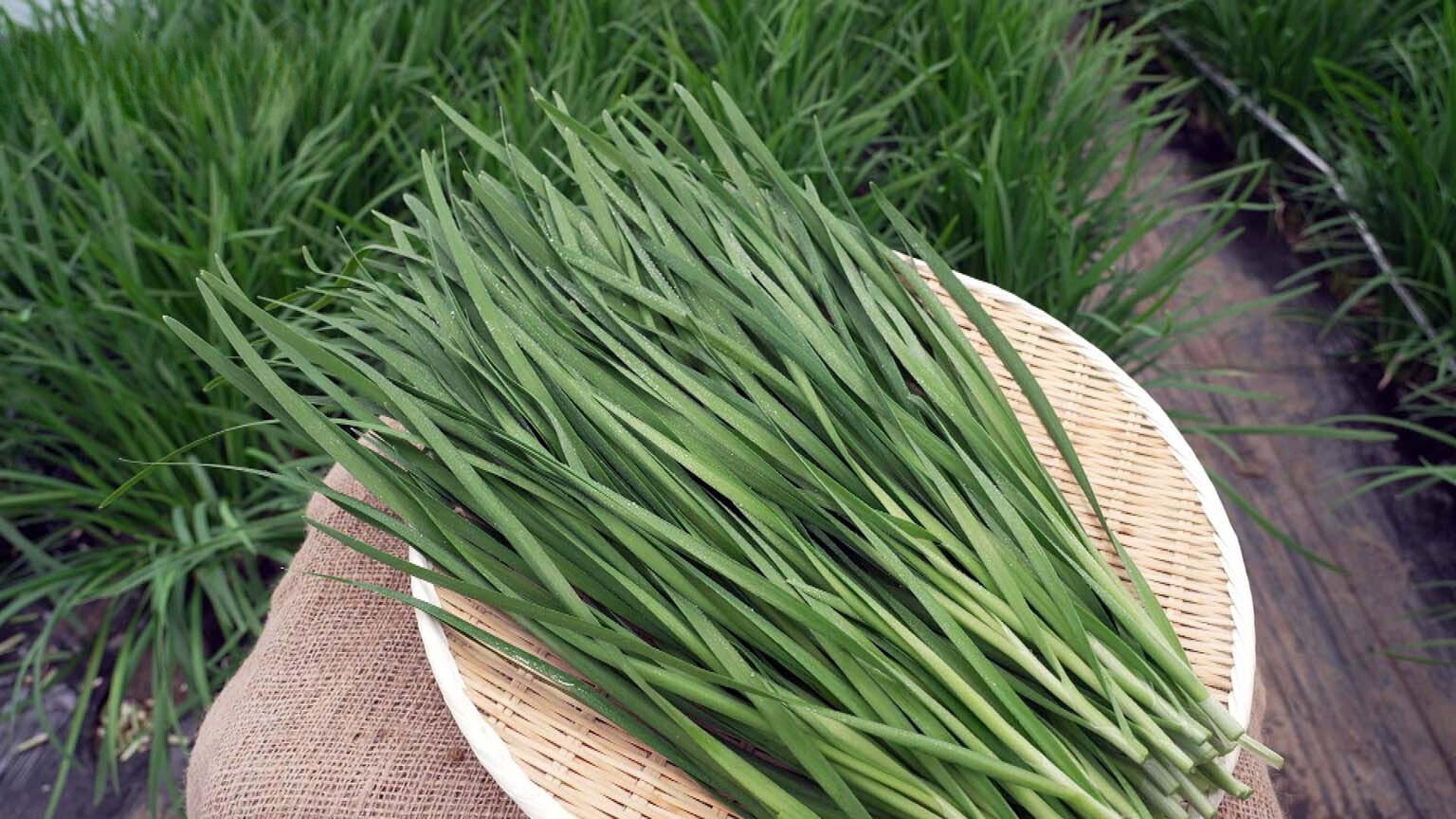
Nira
Nira, with its garlic-like pungency and ability to boost stamina, is a true star. Visit a production site to marvel at nira's vitality and see how the ingredient can be used in a wide range of dishes. (Reporter: Robin Barde)
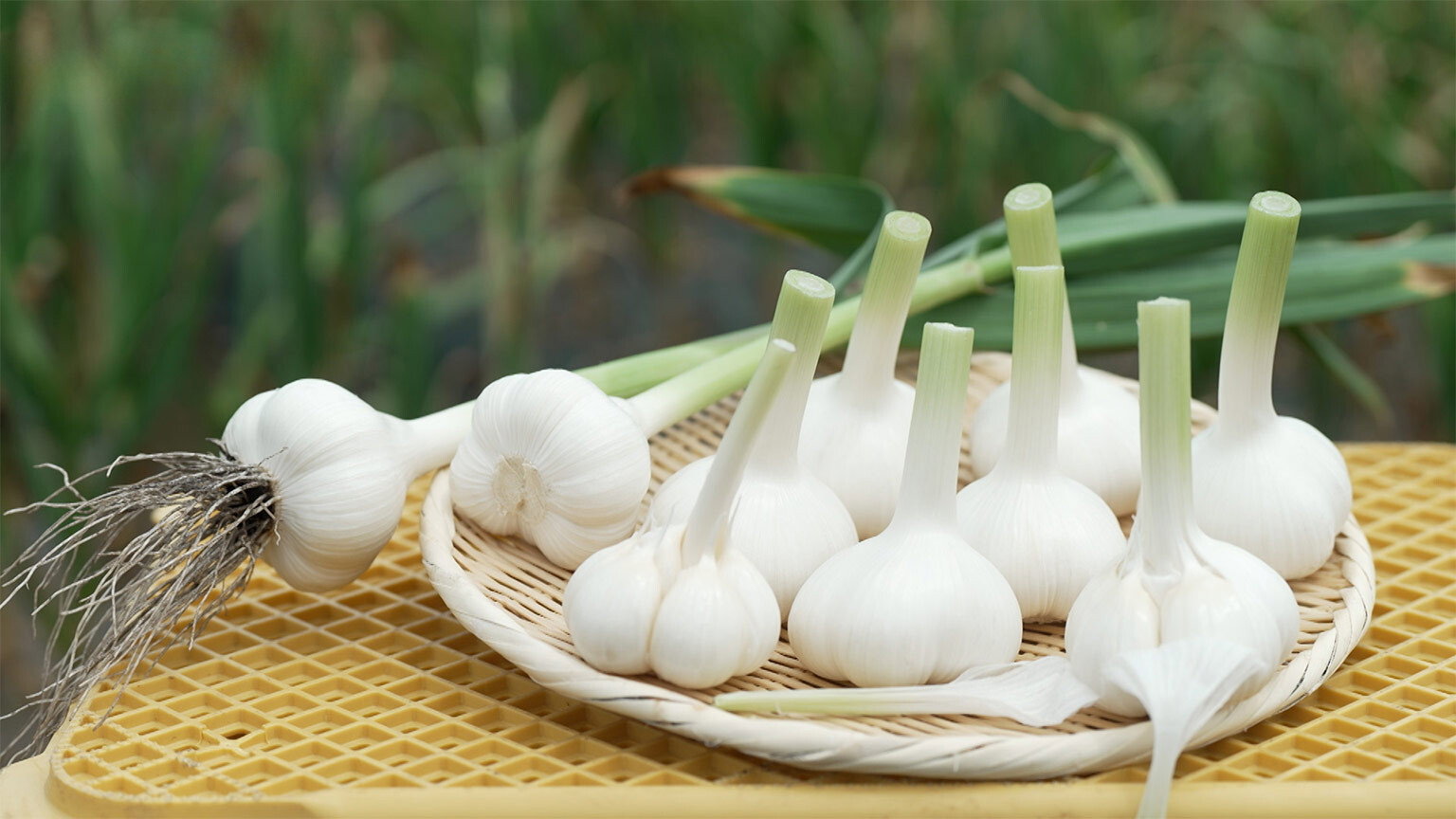
Garlic
Japanese garlic is big, with sweetness and umami. In Aomori, we explore what makes it special, take a closer look at black garlic, and sample all kinds of dishes that show off garlic's potential. (Reporter: Kailene Falls)
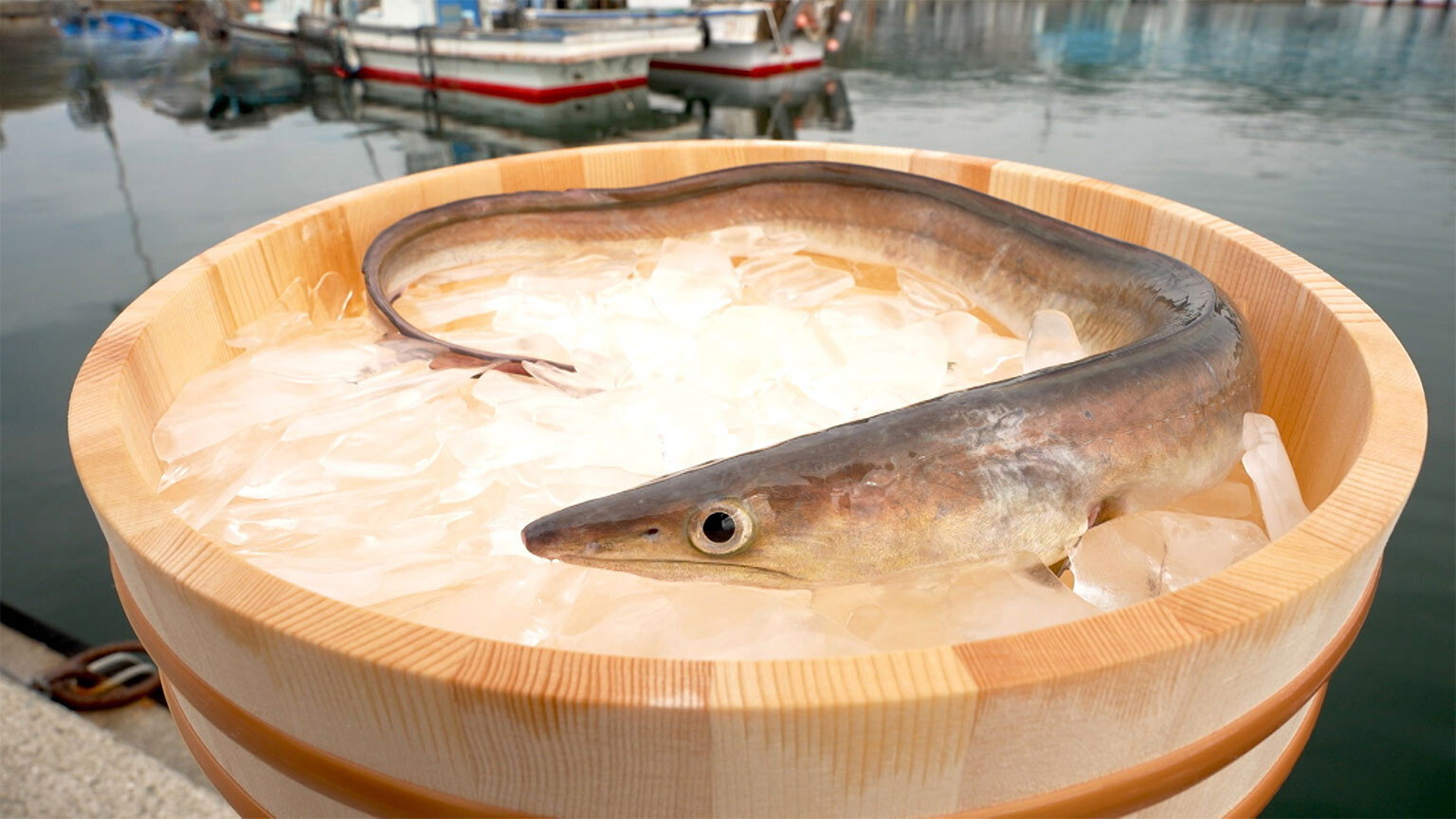
Hamo
Hamo, the pike conger with a fierce look, is deeply tied to Kyoto's food culture. Explore impressive bone-cutting techniques, local fishing methods, and mouth-watering regional dishes. (Reporter: Beru)
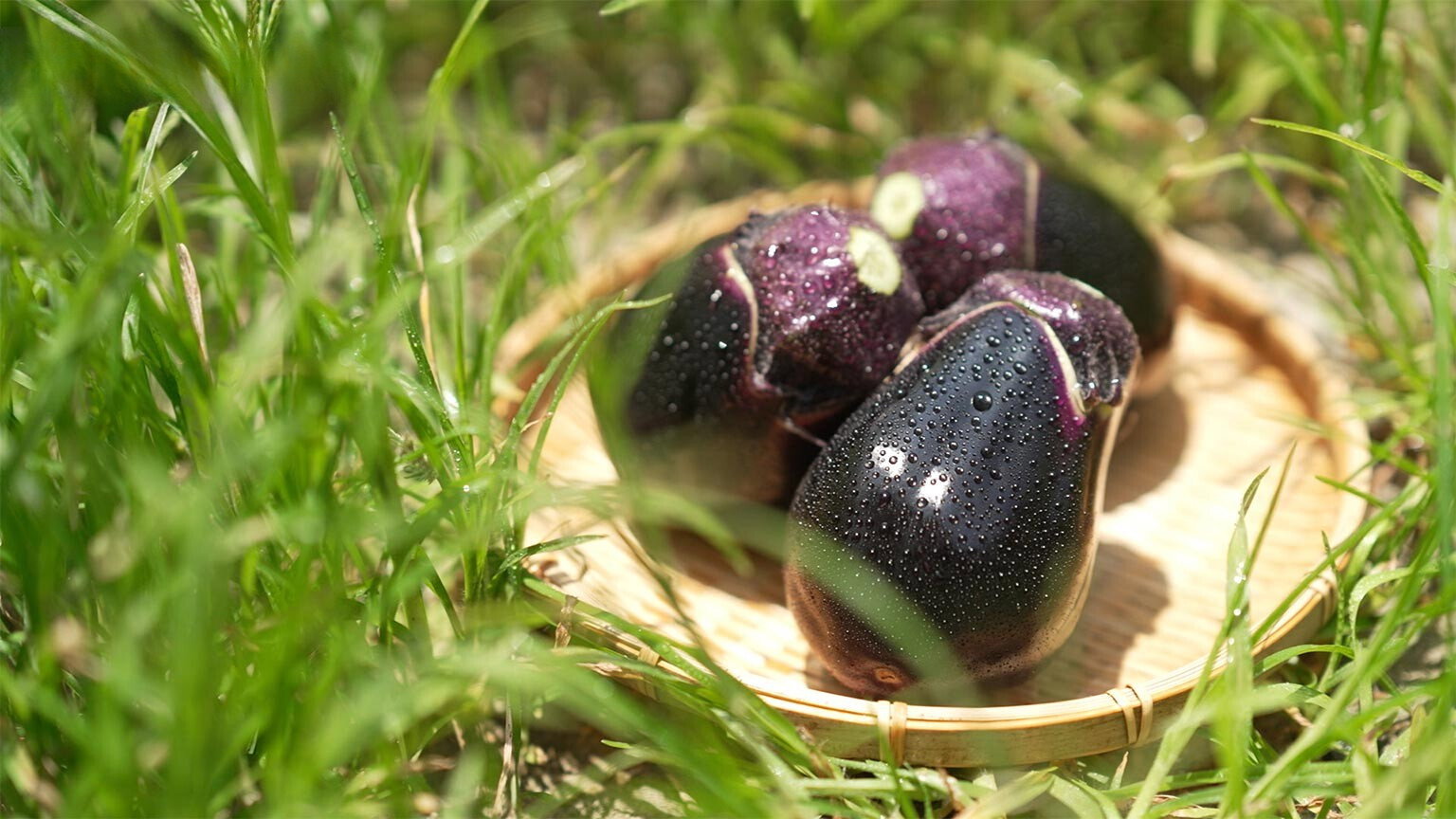
Eggplants
Eggplants—nasu—take the spotlight. Enjoy juicy mizu-nasu and melt-in-your-mouth Kamo-nasu. From traditional shojin ryori to sweets, discover the surprising range of Japanese eggplants.
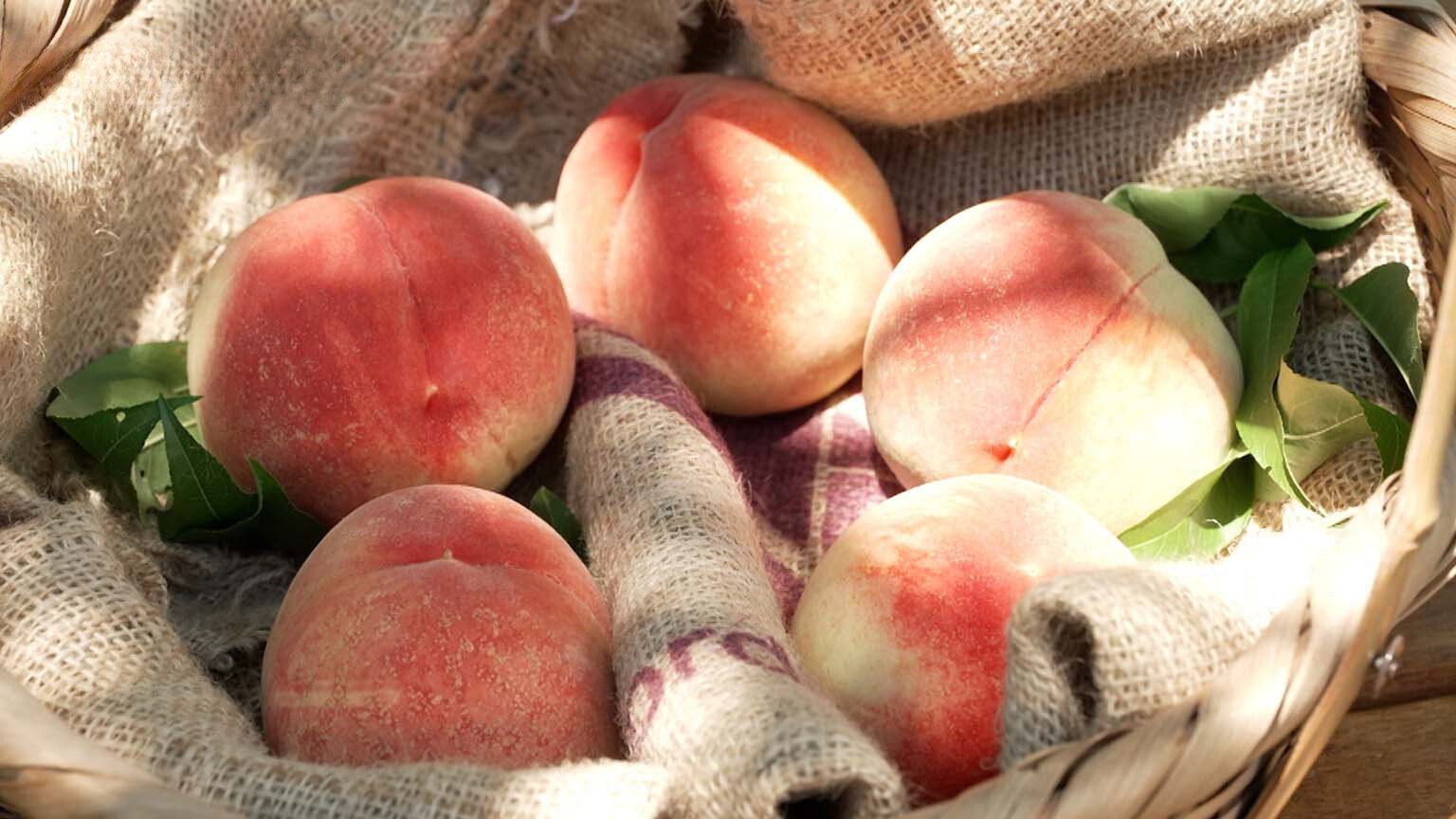
Peaches
Peaches take the spotlight. From June to October, new varieties appear every two weeks, letting people enjoy them for months. Big, sweet, and juicy—discover the charm of Japan's finest peaches.
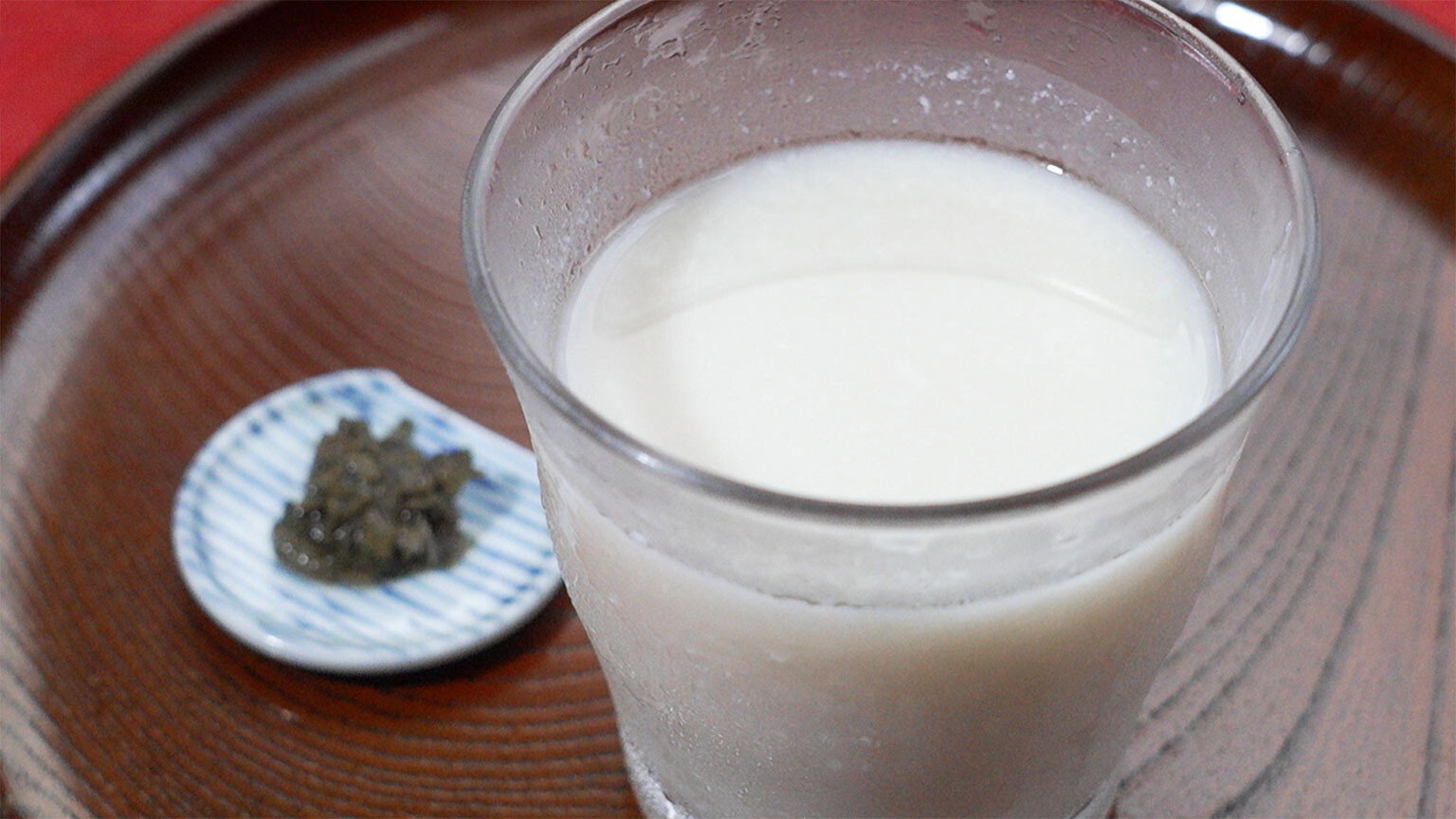
Amazake
Amazake, a traditional fermented drink made from rice and koji, is rich in nutrients, with a mild sweetness that enhances recipes. Discover the hidden power of this "drinkable IV drip."
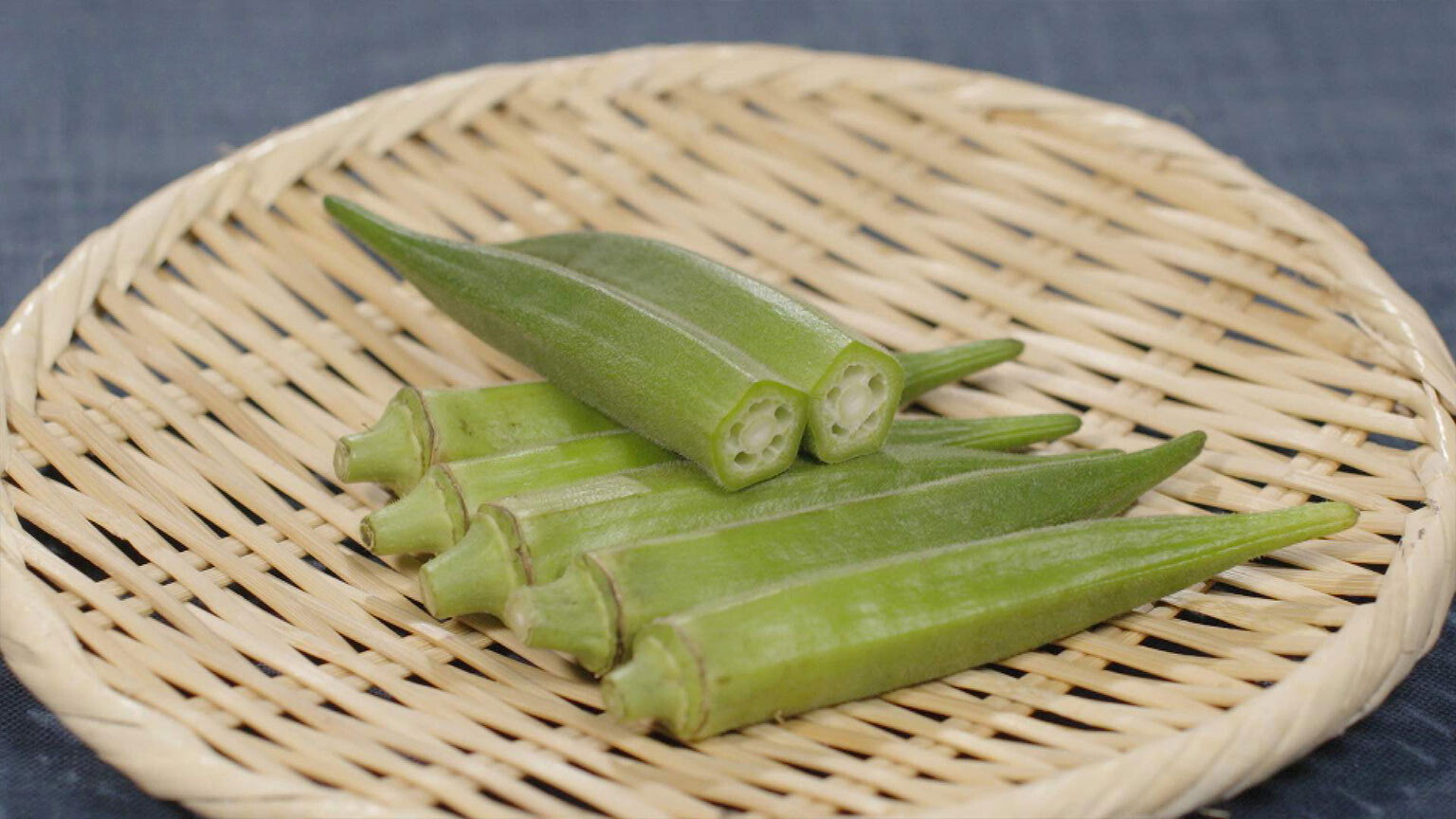
Okra
Okra has only been widely eaten in Japan for about 60 years, yet new, stickier varieties keep appearing to suit Japanese tastes. Explore the vegetable's charm through a variety of unique dishes.
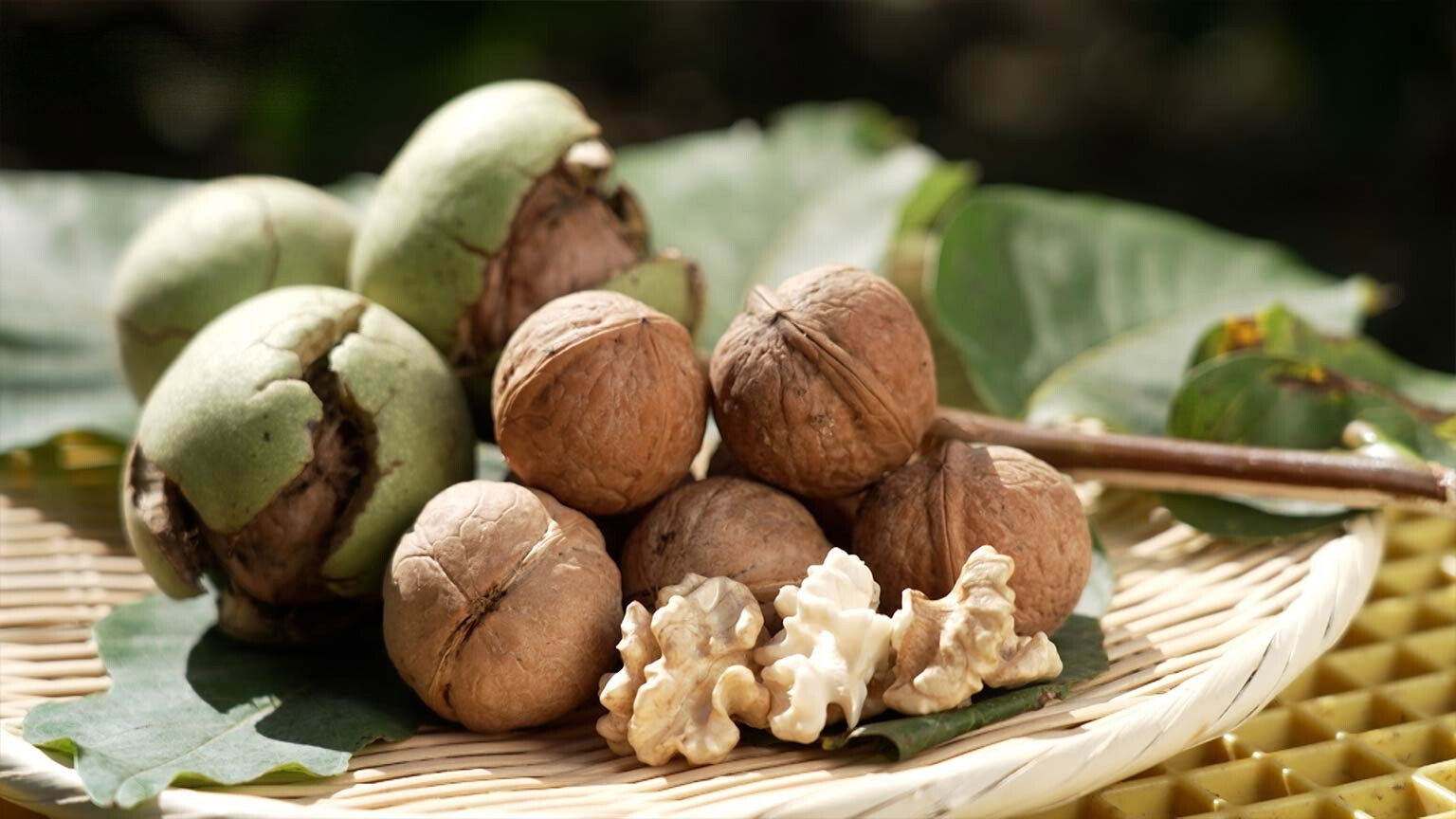
Walnuts
Walnuts have long been valued in Japan. In a major production area, join a wild harvest using bamboo poles and recreate an ancient meal. Back in Tokyo, enjoy walnut dishes at a renowned restaurant.
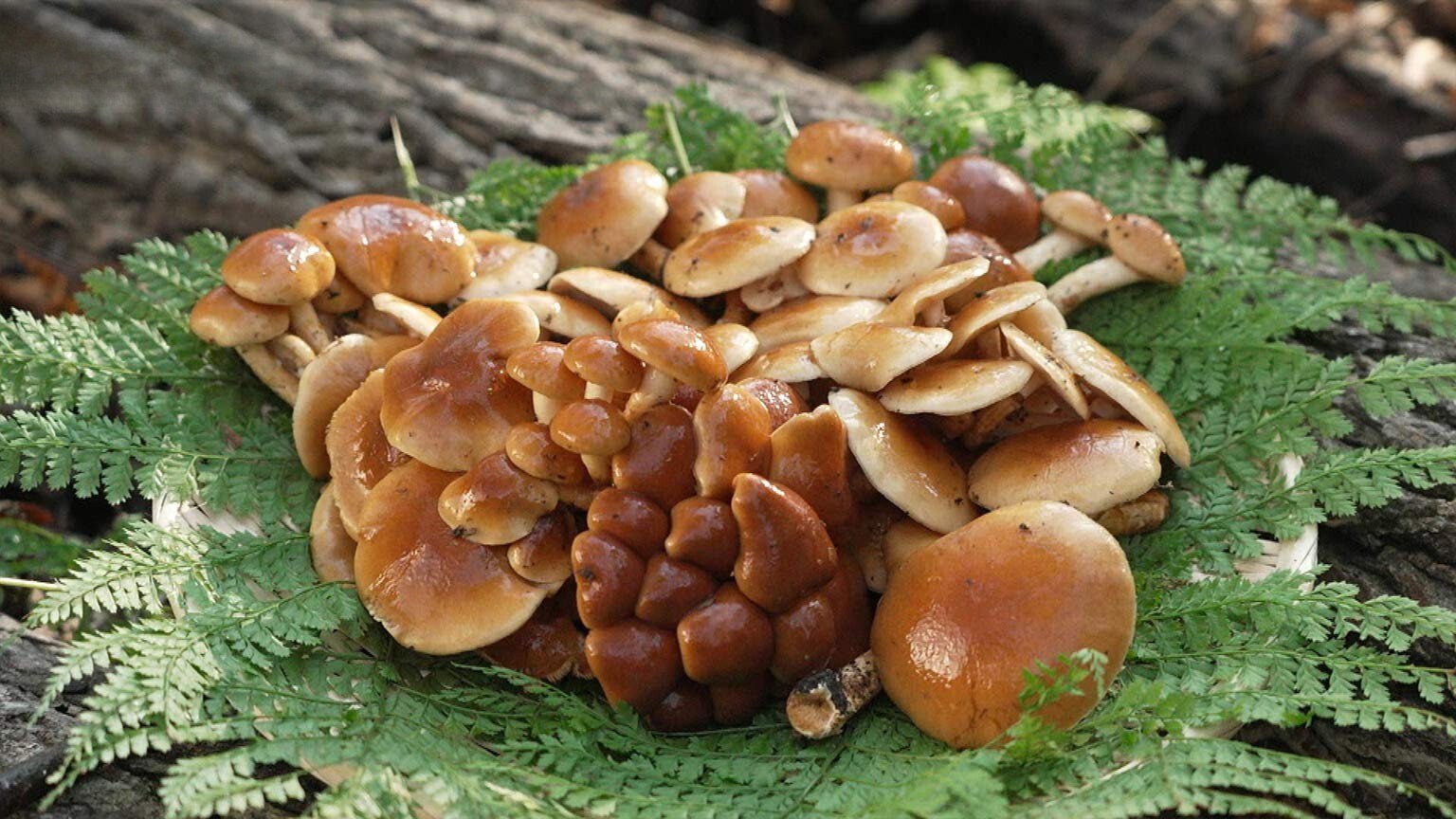
Nameko
Nameko are small mushrooms known for their slippery coating. Learn about indoor and natural log cultivation, then visit a mushroom-focused French restaurant in Tokyo.
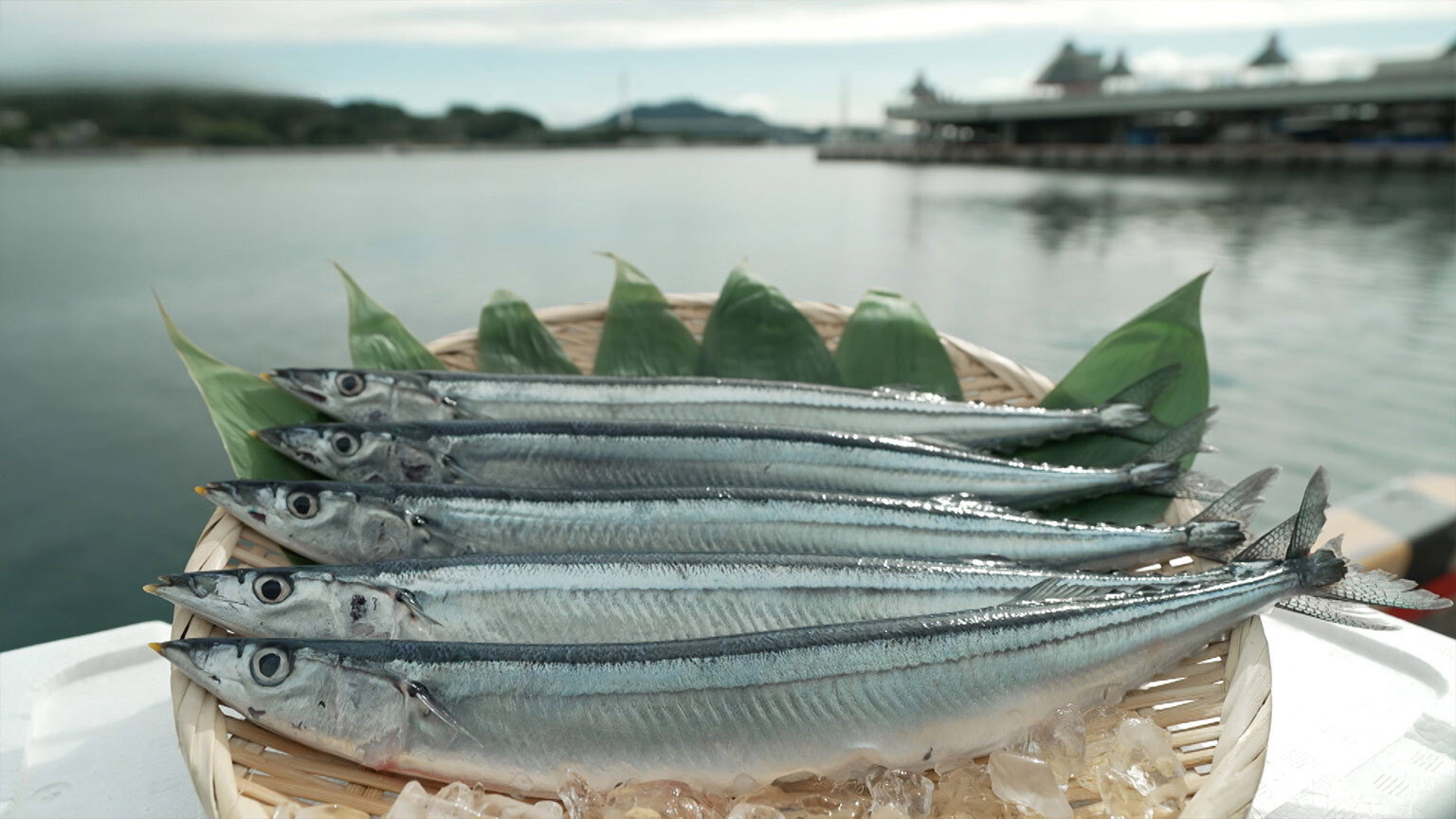
Sanma
Each autumn, sanma takes center stage across Japan. Kyle visits a bustling port to explore its traditions, then meets a chef who highlights the fish's subtle bitterness in refined French dishes.
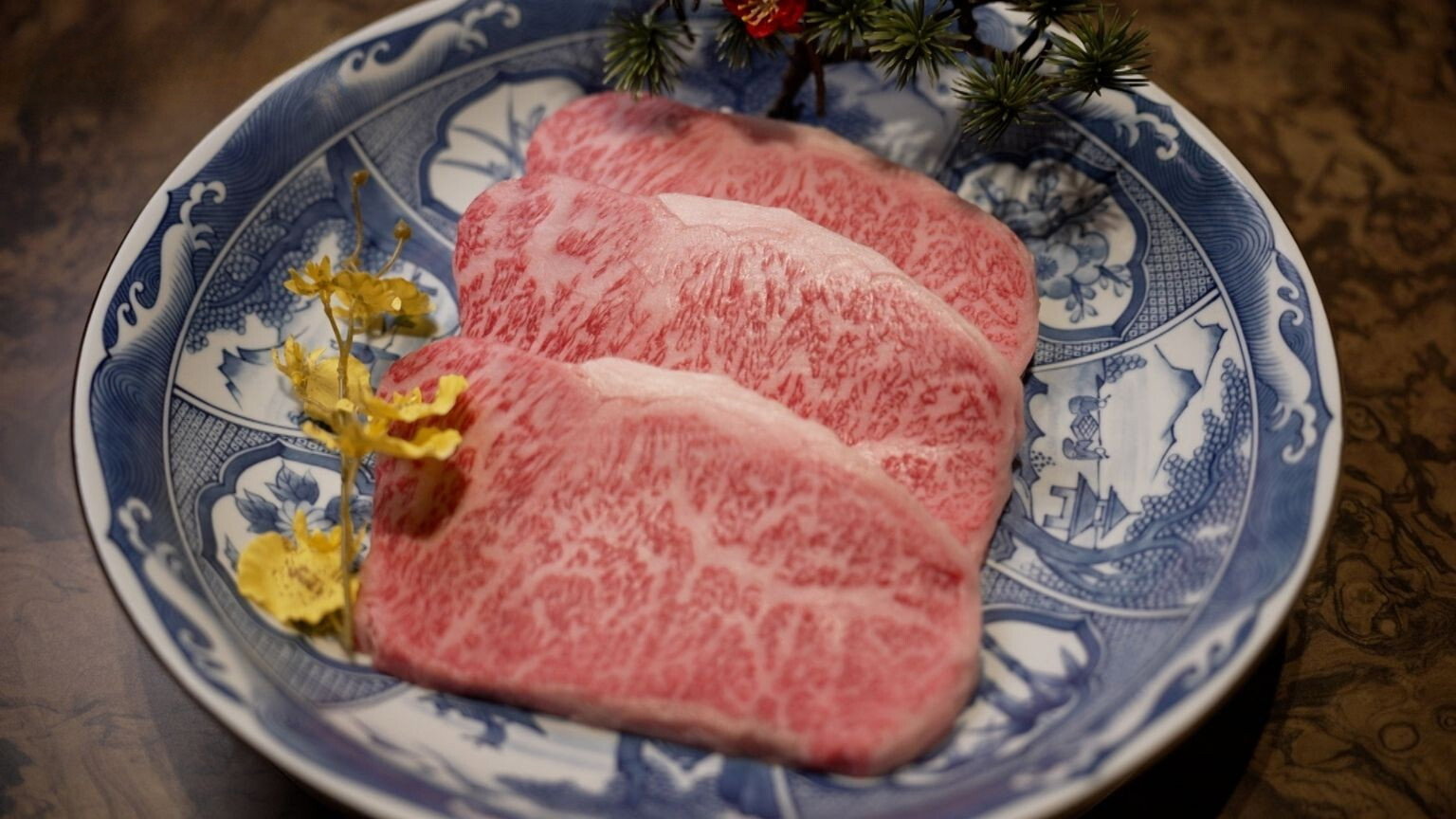
Wagyu
Wagyu captivates food lovers worldwide with fine marbling, melt-in-the-mouth texture, and rich aroma. Join us as we explore strict cattle management and the dishes that highlight wagyu's appeal.
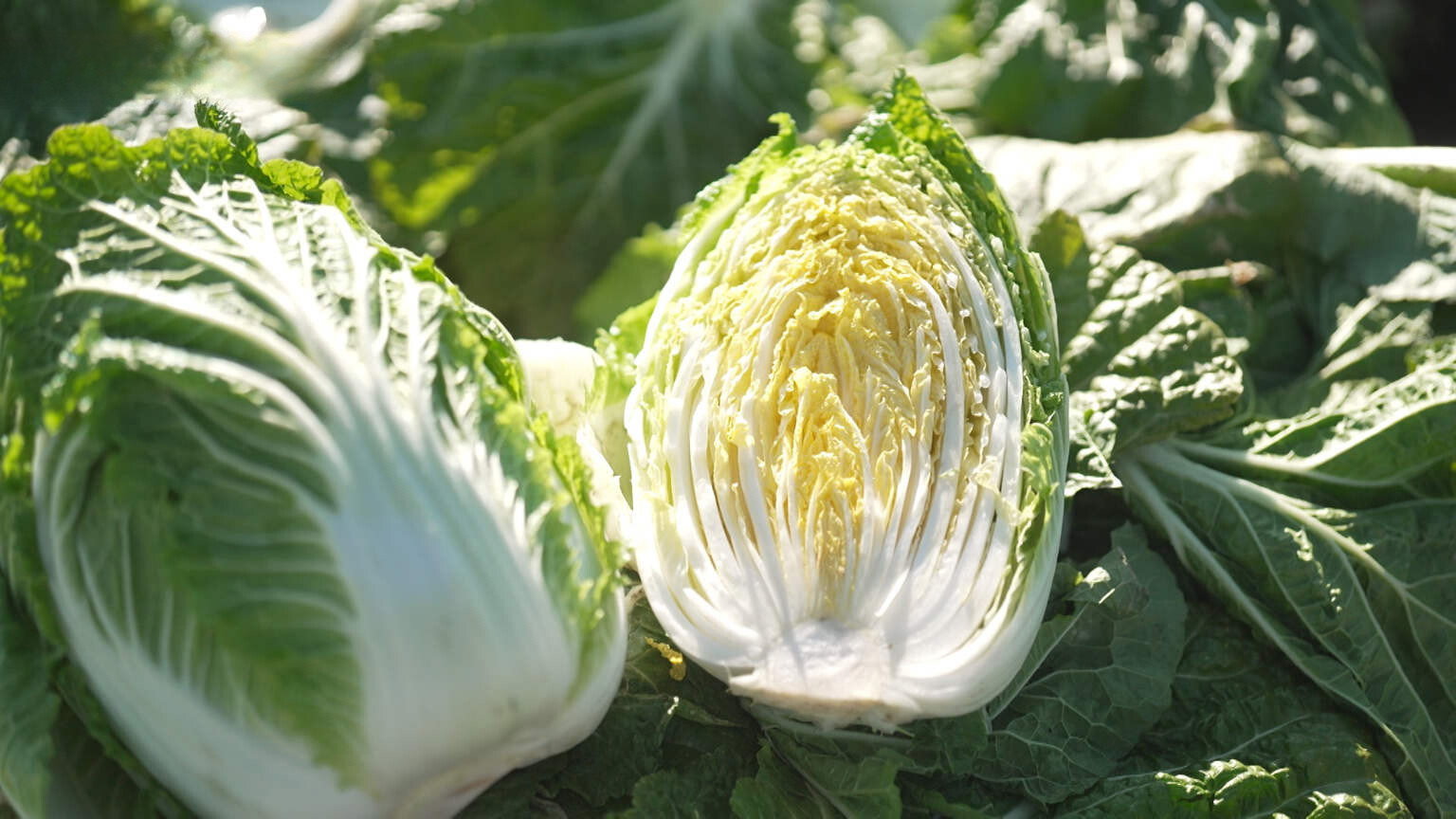
Hakusai
Hakusai, or Chinese cabbage, is a winter staple in Japan. Discover unique farming and harvesting techniques, and see its use in pickles, popular ramen, and French cuisine.
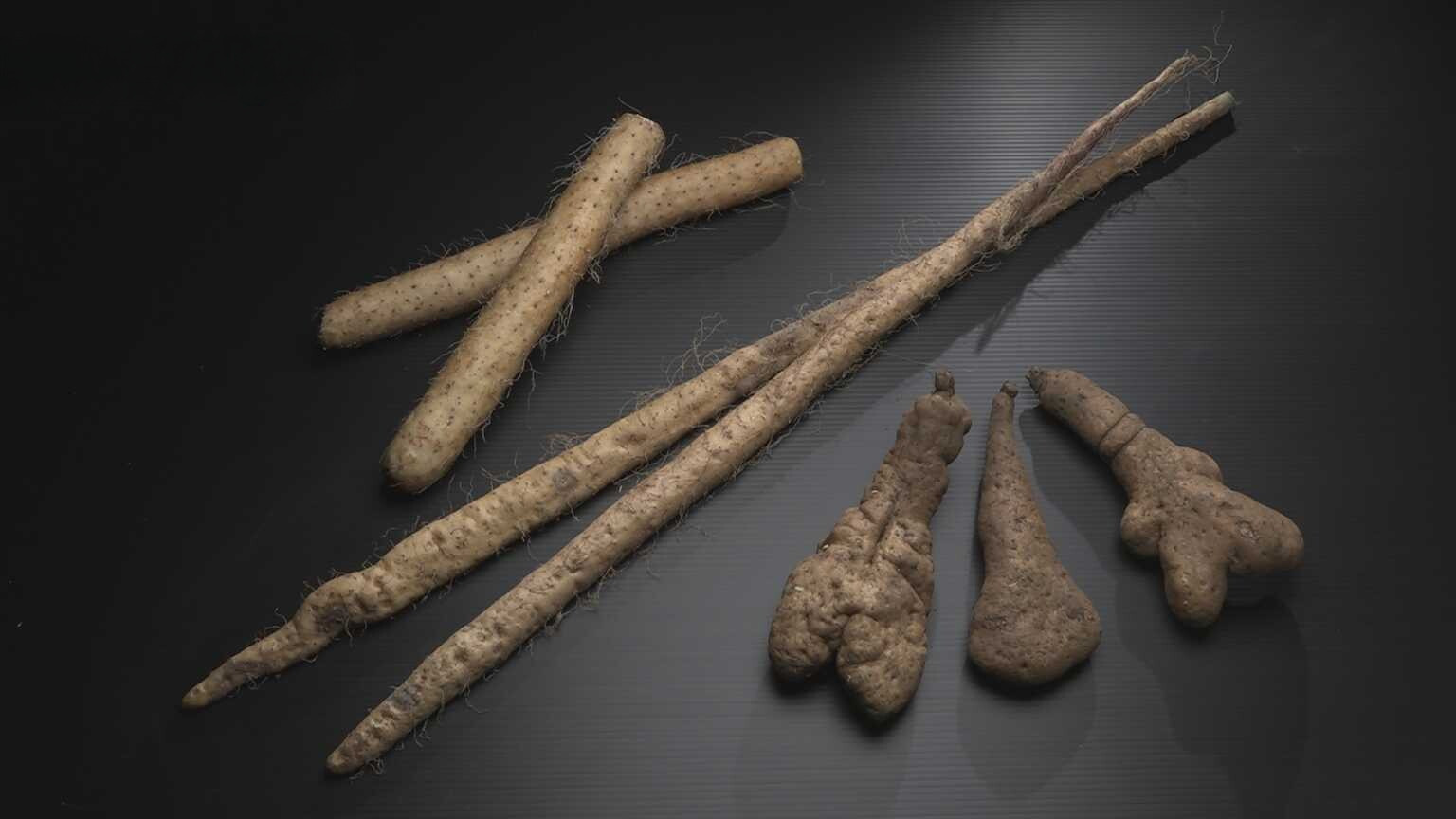
Japanese Yams
Japanese yams are a traditional ingredient loved for their sticky texture. Experience a harvest using heavy machinery to dig deep underground, then savor dishes including tororo over rice.

Cod
In icy Aomori, we join a cod fishing boat and sample local dishes using even the skin and innards. From rock-hard dried cod to French cuisine, we savor cod's many charms.
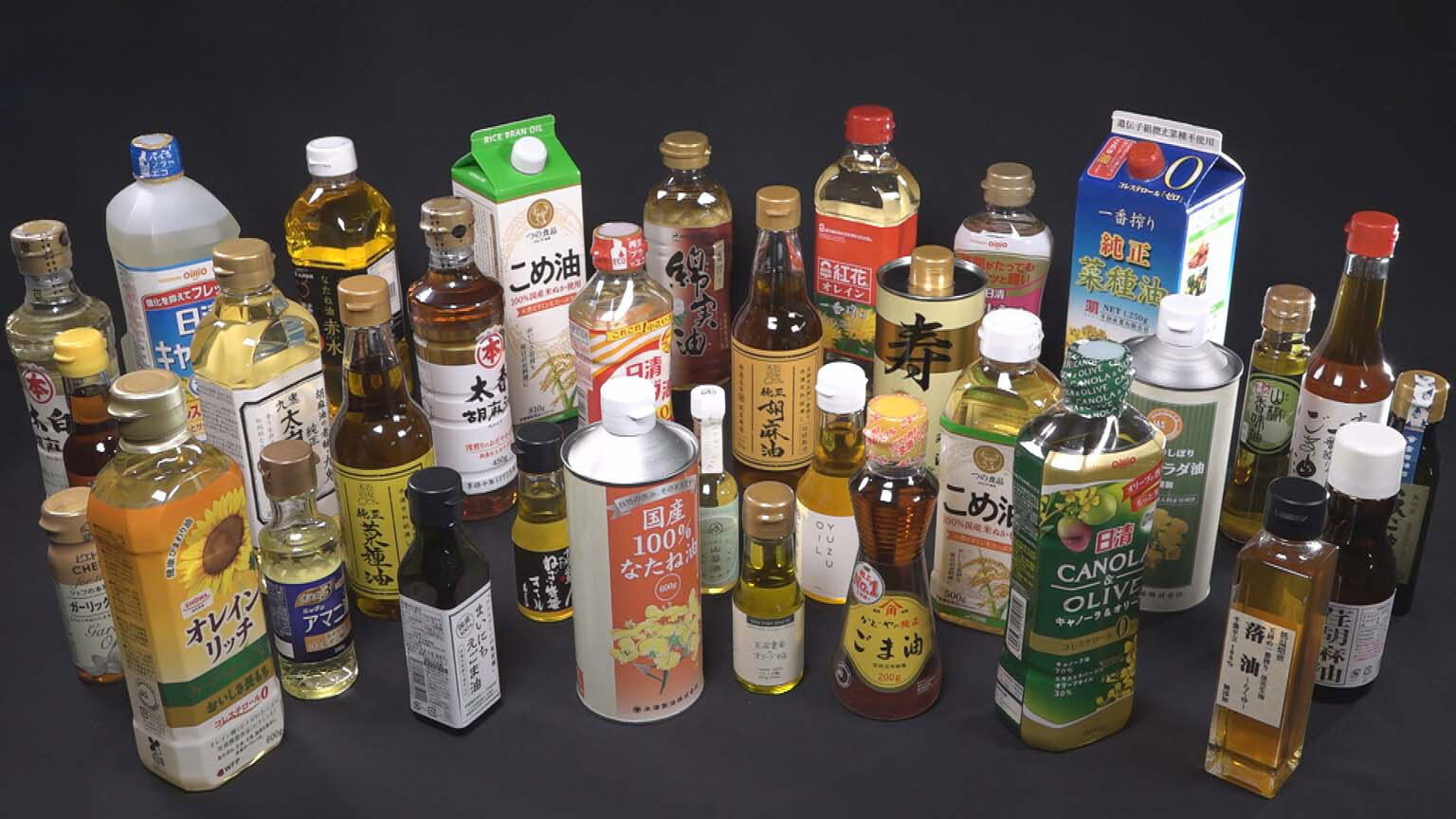
Japanese Oils
Oils shape Japan's food culture, where households choose from a wide range of oils to suit each dish. This episode explores Japanese plant-based oils, focusing on flavor, safety, and health.
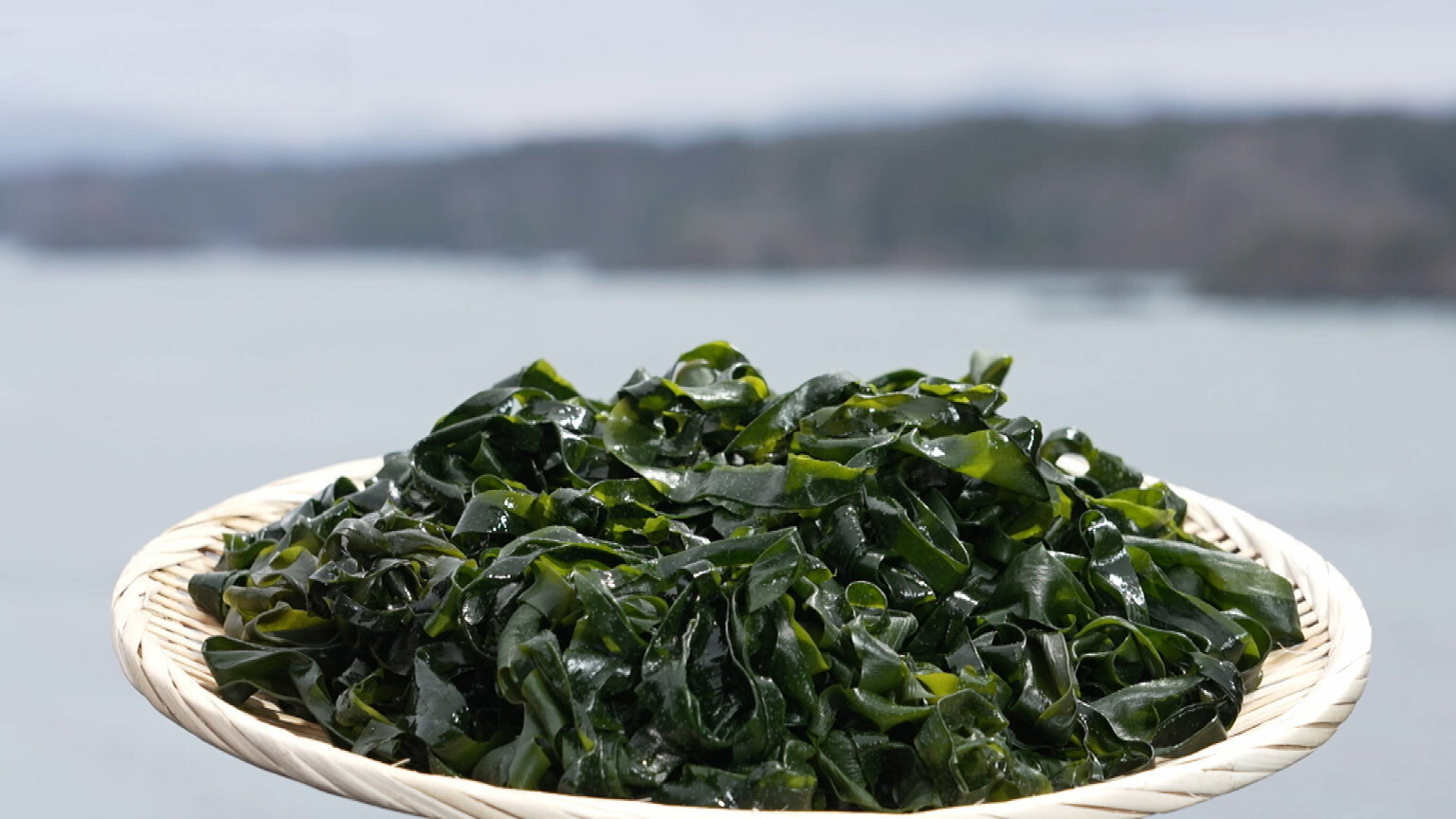
Wakame
Wakame, one of Japan's most popular types of seaweed, takes us to Sanriku in Miyagi Prefecture. Experience harvesting giant wakame and explore research advancing environmental protection.

Red Sea Bream
Red sea bream, with its beautiful red color, has long been prized in Japan as a symbol of good fortune. Explore advanced aquaculture techniques and enjoy a wide variety of exquisite dishes.
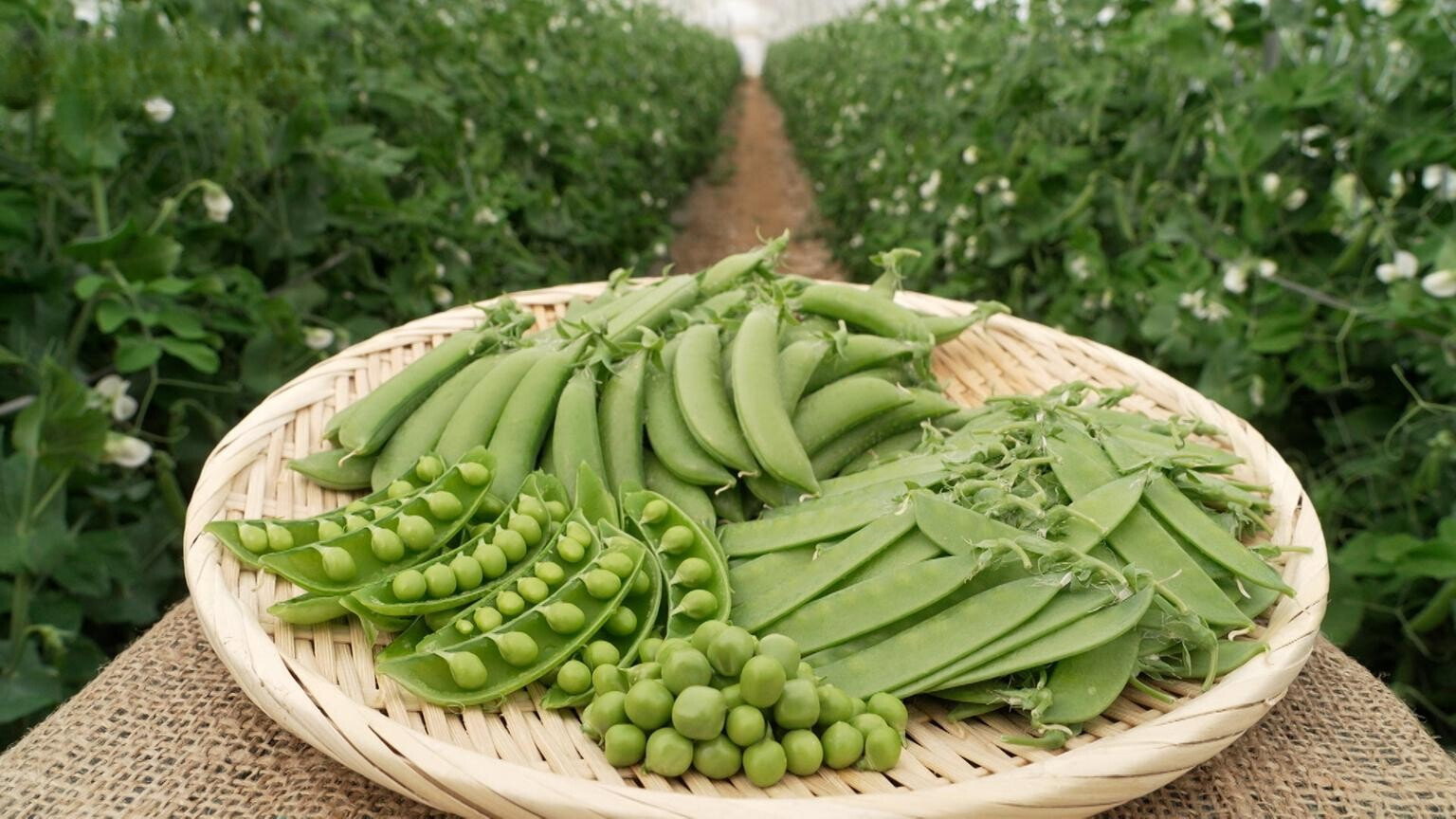
Peas
Peas shine at every stage of growth, from shoot and pod to full-grown. Enjoy home cooking, Edo-style sweets, and elegant cuisine built around spring peas.
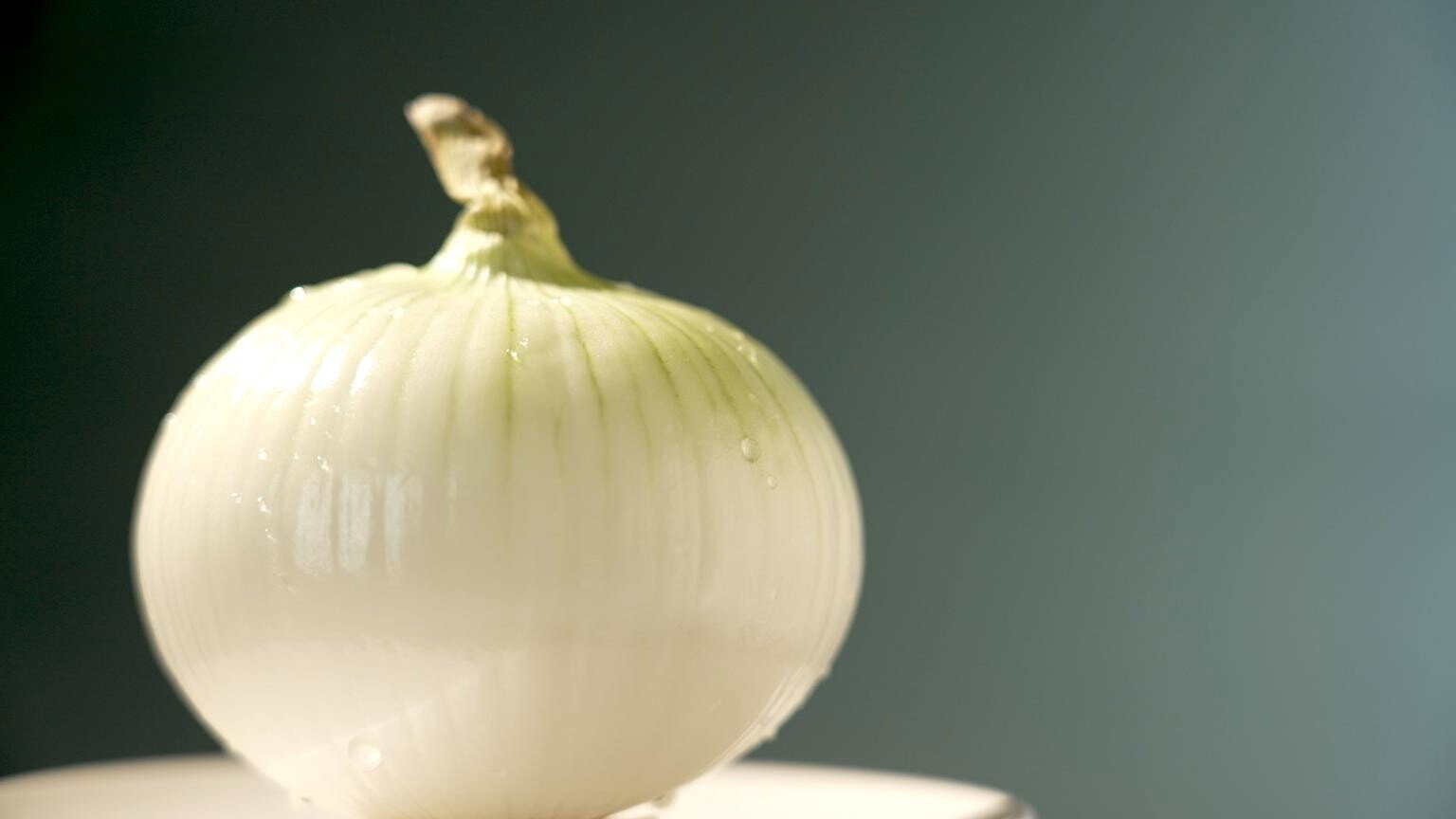
Onion
Introducing "New onions," in season in spring, and other onions on Awaji Island, one of the nation's leading production regions. Discover the appeal of Japan's onions from sweets to French cuisine.
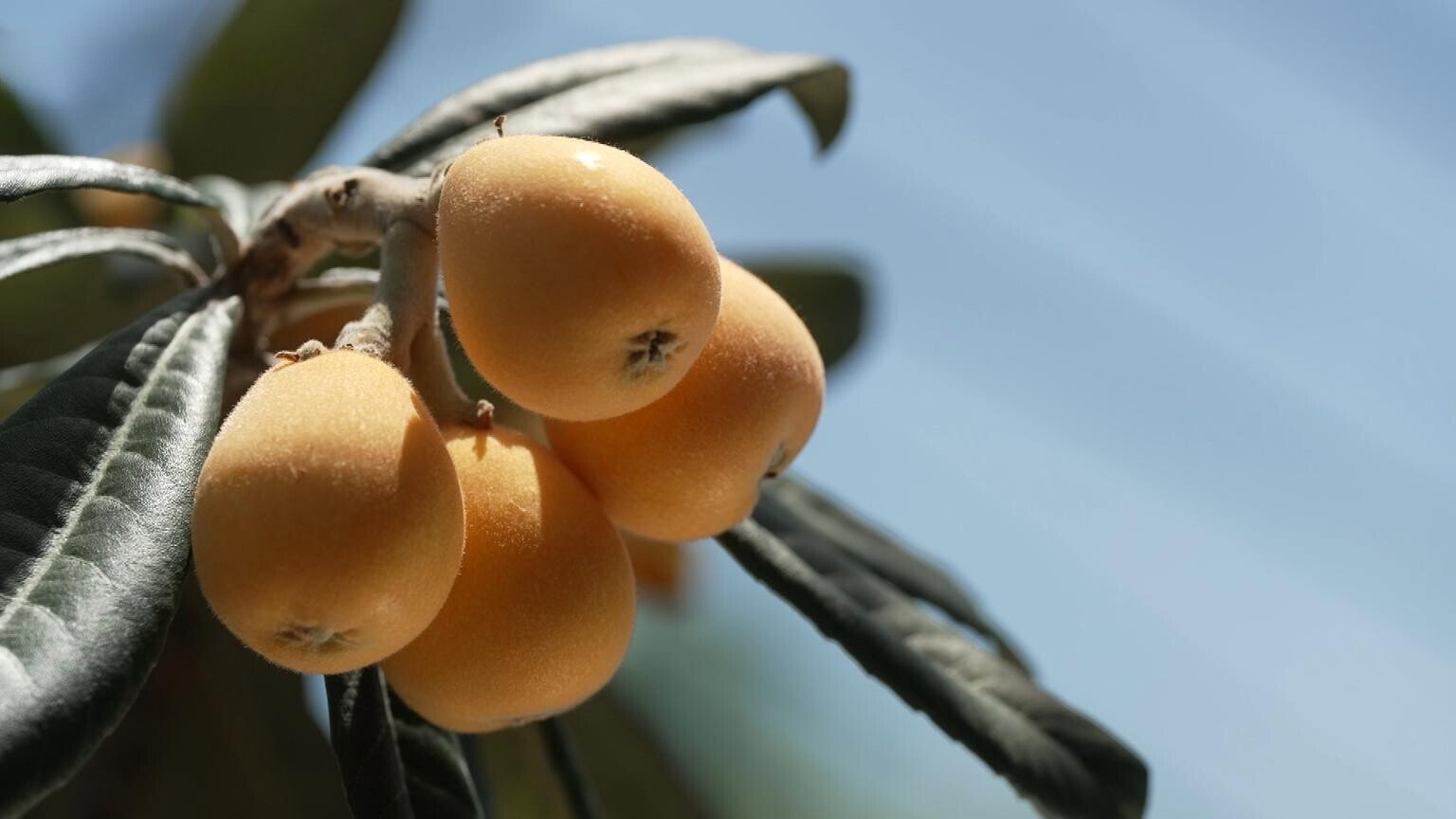
Loquat
The loquat is a lovely golden fruit whose delicate, understated sweetness is the very taste of early summer. Savor it fully in dishes and desserts throughout its brief season.
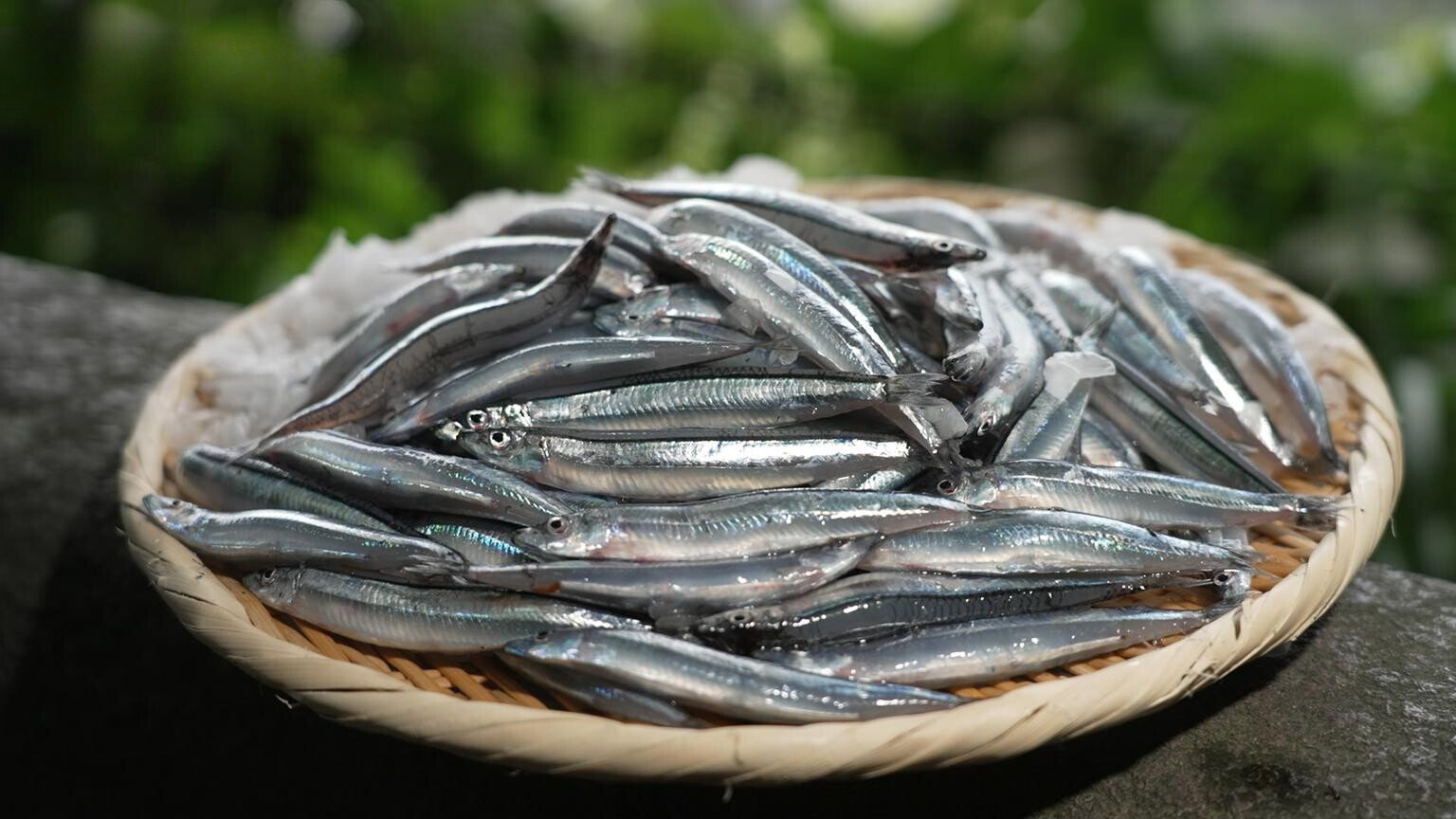
Kibinago
Kibinago, sometimes called "jewels of the sea," is a fish seldom seen outside Kagoshima. We travel to its home prefecture and meet devoted locals who reveal what makes the fish so special.
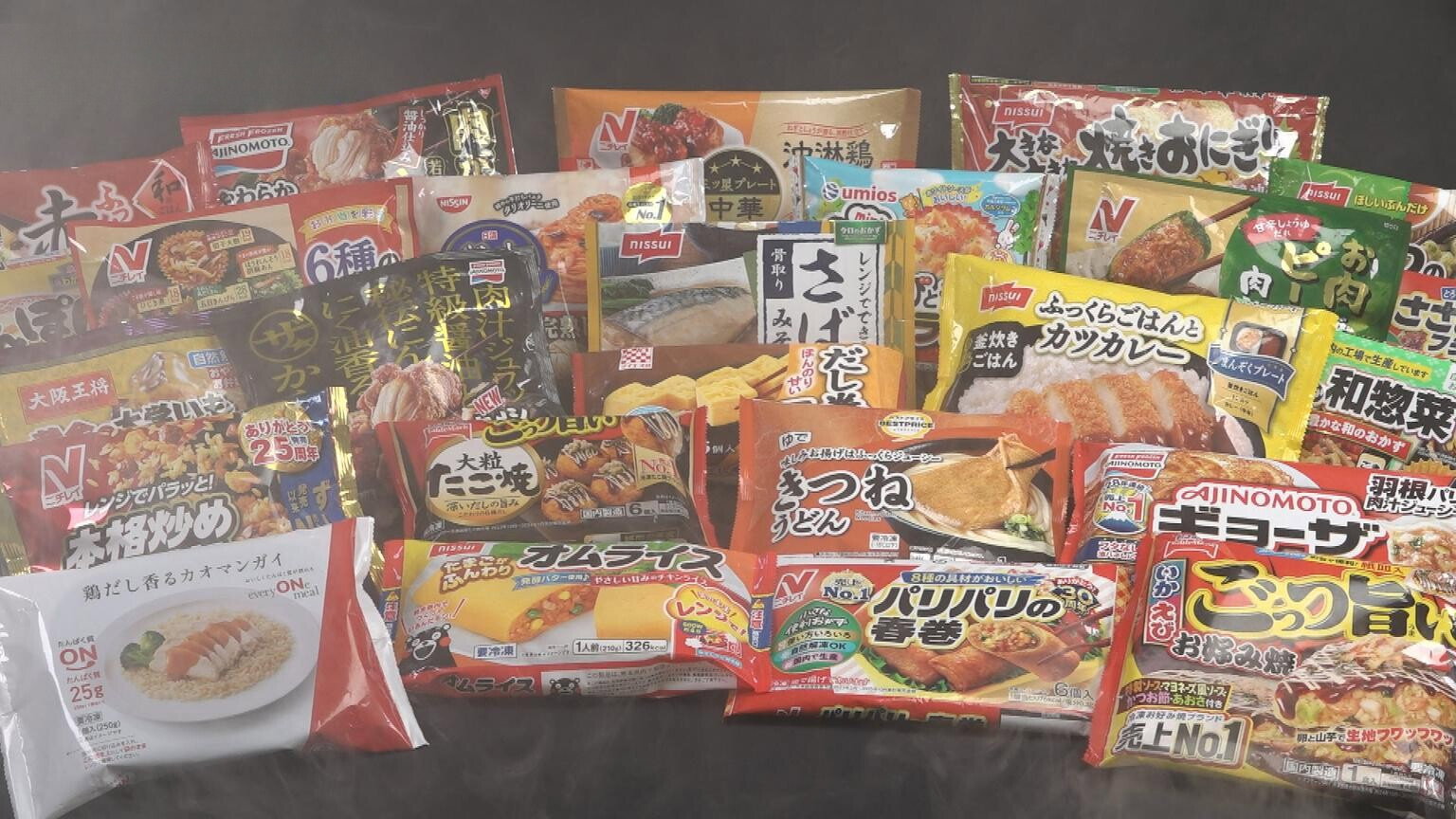
Japanese Frozen Foods
Japan is now a frozen foods powerhouse. Cutting-edge technology and producers' passion keep the hits coming. Dive into the world of Japanese frozen foods that are turning the world upside down.
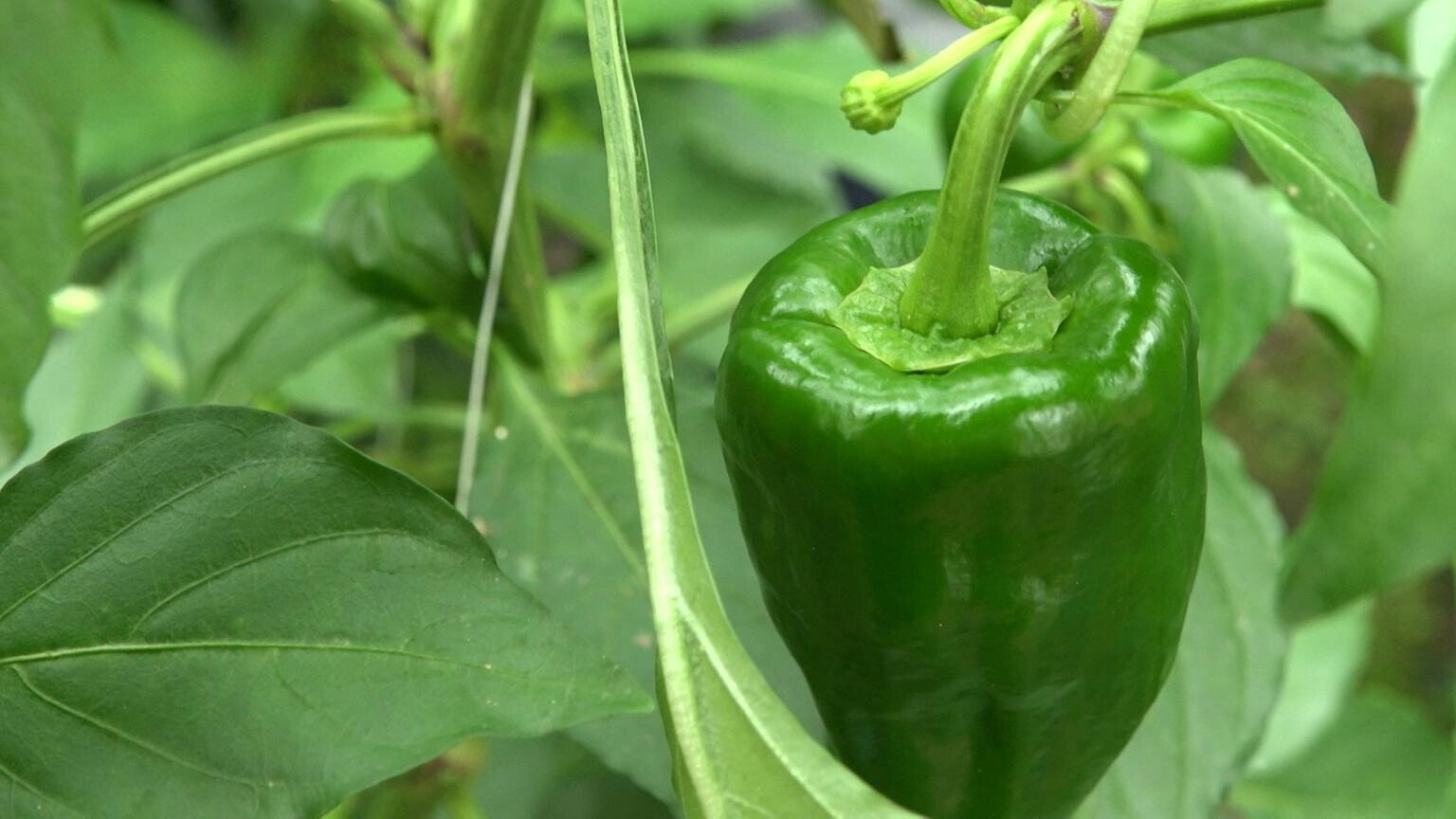
Bell Pepper
Japan's bell peppers are small and green with a distinct bitterness that adds a beloved accent to many dishes. We explore the appeal of this healthy vegetable, from farm to table.

Sea Urchin
Sea urchin, a high-end food, is mostly eaten in Japan. But exports are rising as it grows more popular with overseas tourists. Savor its rich, deep umami to the fullest.
Info provided by The Movie Database. Watch sources provided by JustWatch.